Rising temperatures, the loss of wildlife, native seeds and ecosystems such as glaciers are threatening the ancestral territory of the Pasto people, located between Colombia and Ecuador. In the face of the climate crisis, community solidarity sustains the defense of the environment.
The Earth is wounded, say the Pasto Indigenous people. “We are coming apart,” laments Lidia del Rocío Moreno Cuastumal, an Indigenous teacher and senior education counselor. For this culture, the universe is interconnected through cycles and due to the climate crisis, these processes are being disrupted, affecting both communities and the land.
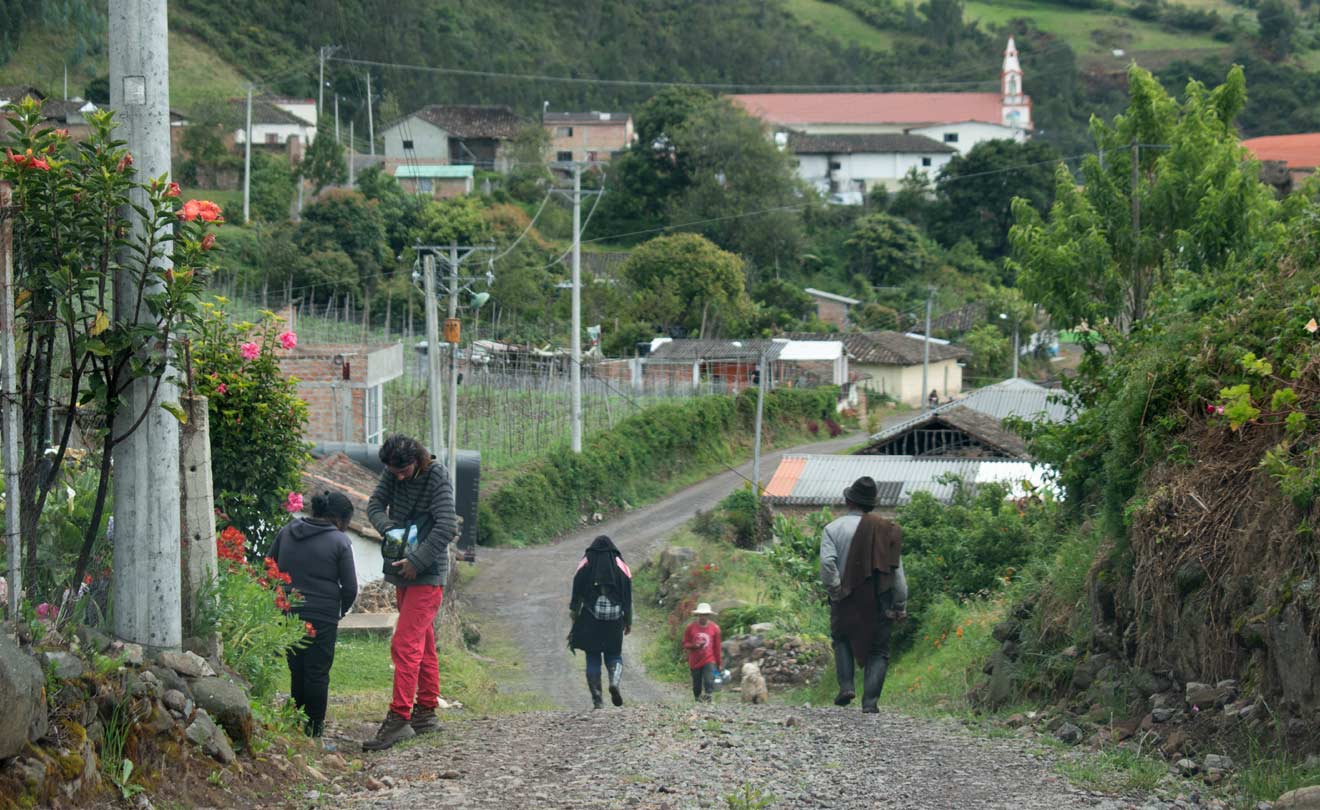
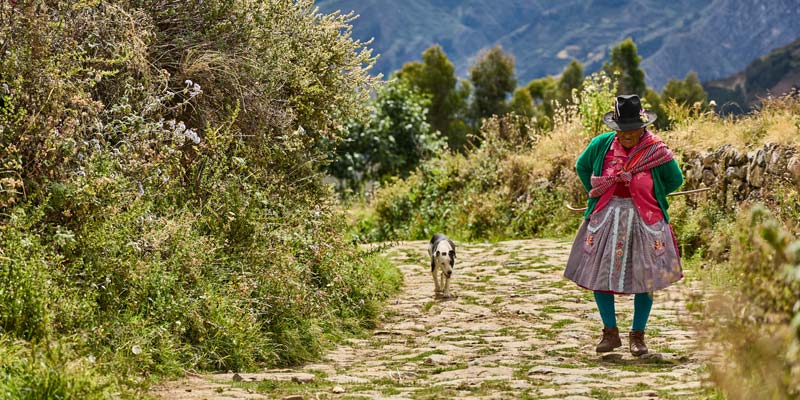
These communities are perched high in the Andes Mountains, on both sides of the border between Colombia and Ecuador. Here, because of global warming, fruit such as apples, oranges and avocados have begun to grow, says Daniel Lucero, a lawyer and Pasto Indigenous member. This shift has disrupted bird migrations, leading species like parrots — which had never ventured that high — to arrive and feed on corn crops.
“There’s a type of heron that didn’t belong to this territory and is now eating the trout, one of our main food sources,” Daniel explains. Wildfires and farming in the páramos — the high-altitude moorlands — have reduced water availability. Water sources are sacred to the Pasto people. Some of them are places of origin, where their ancestors emerged, such as the Guáitara River, which marks the border between Colombia and Ecuador.
Beneath the Rumichaca Bridge, where people cross daily, guardian spirits dwell. It is a small gorge formed by the mountains, with thermal baths where offerings are made and gratitude is expressed. The water runs clear, green, and powerful — just as powerful as the Sanctuary of Las Lajas, a Gothic church built deep within an abyss, merging Catholic and Indigenous stories. Both are sacred sites for the Pasto people.
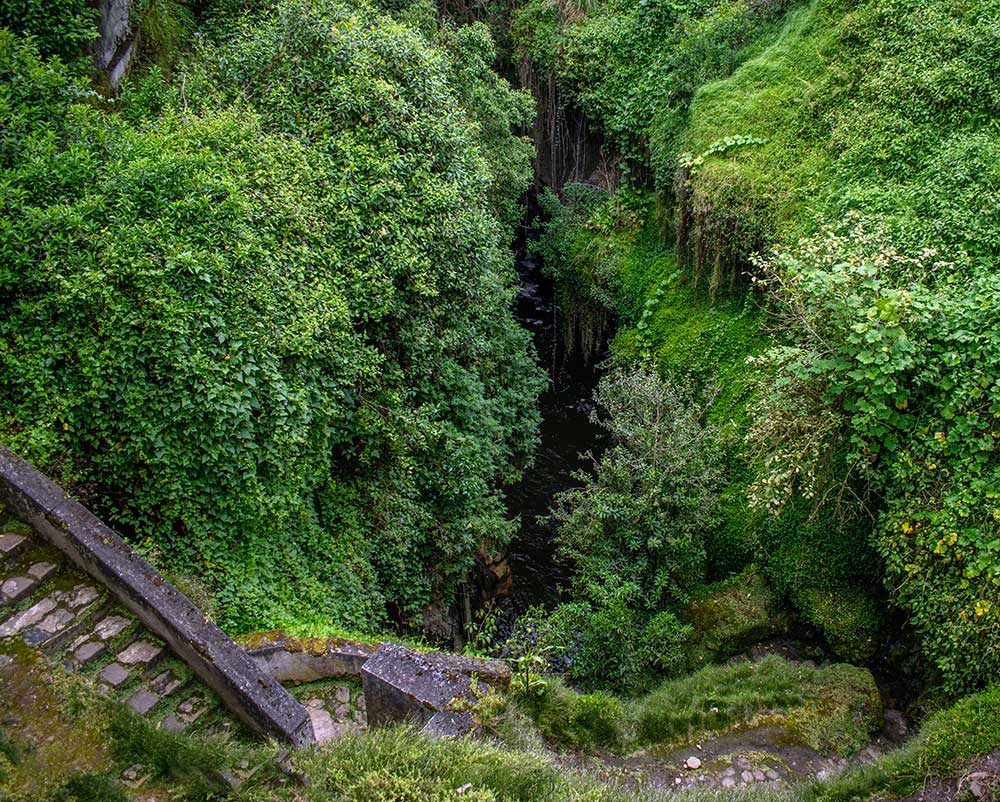
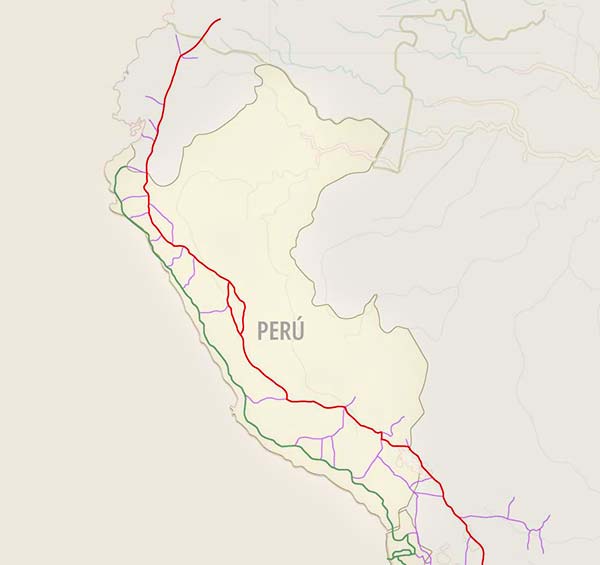
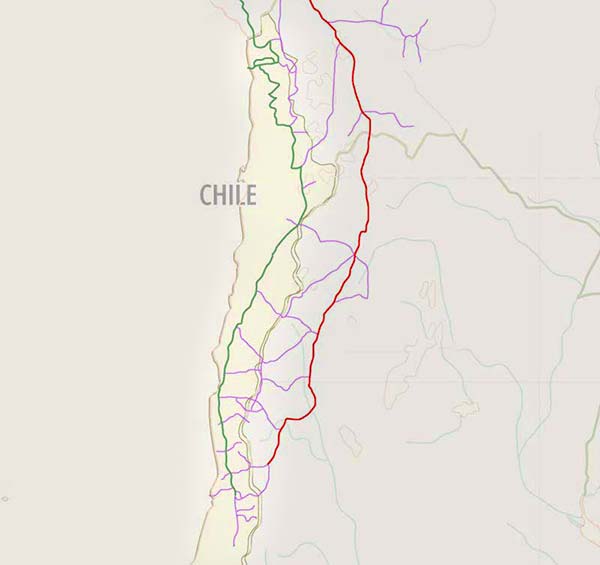
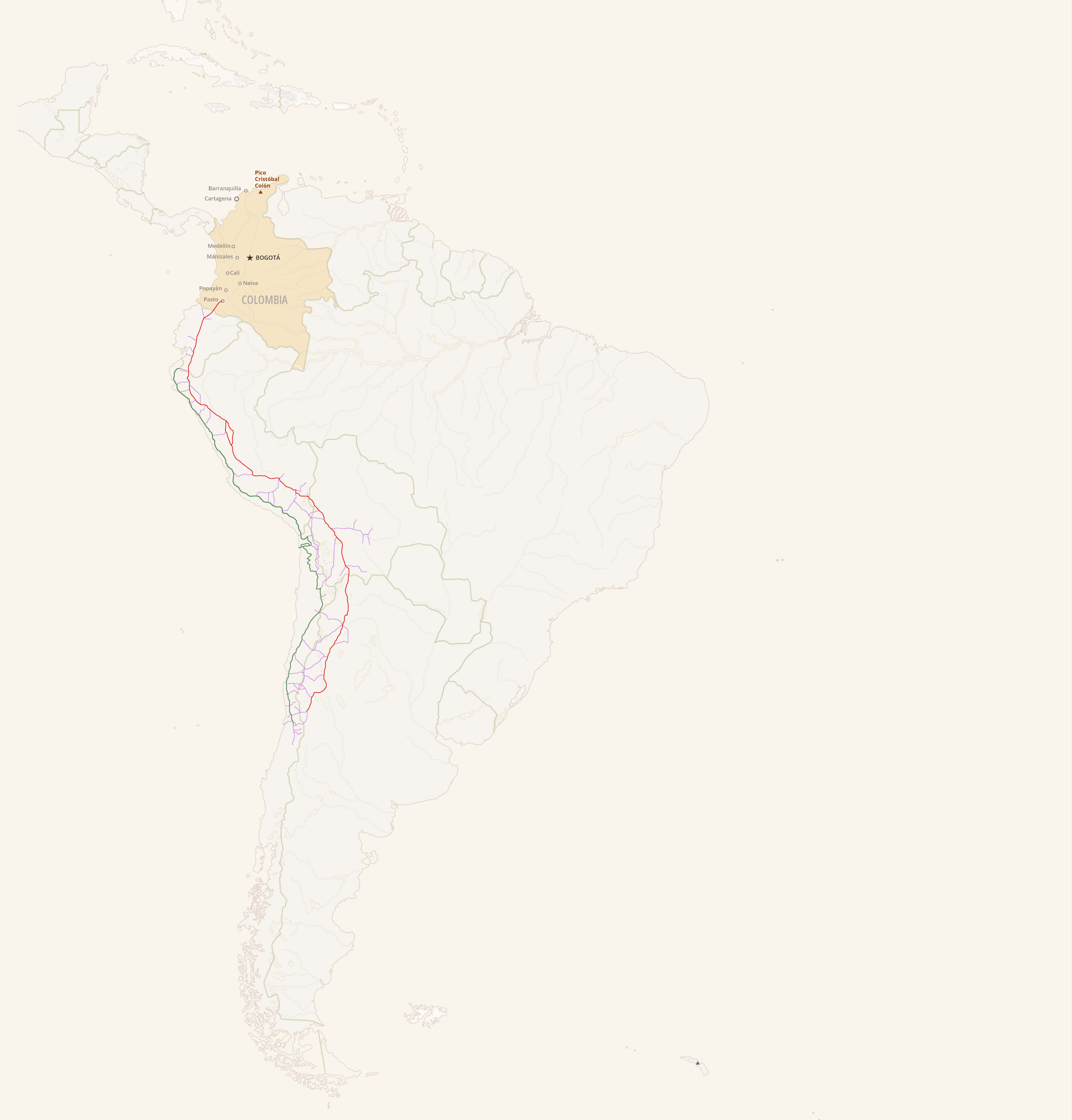
In southern Colombia, in the municipality of Ipiales, rises one of the most significant landmarks in Andean history: the Rumichaca Stone Bridge, a natural formation that crosses the Guáitara (or Carchi) River and marks the border between Colombia and Ecuador. Long before political boundaries existed, this bridge served as a sacred and strategic passage along the Qhapaq Ñan, the vast road network of the Inca Empire that linked territories, cultures, and spiritual traditions throughout the Andes.
Photo: Jorge Daniel Lucero Bernal
Qhapaq Ñan, backbone of the Inca Empire
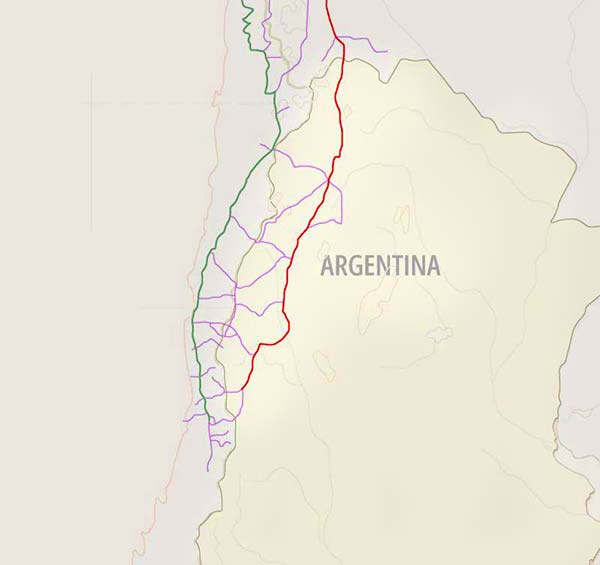
Part of the Rumichaca Bridge area is included in UNESCO’s World Heritage designation for the Inca Trail, or Qhapaq Ñan, an extensive network of Incan roads built over centuries through six South American countries. Anthropologist and Pasto Indigenous member Ángela Lucero explains that “this heritage recognition includes networks of ancestral roads from different peoples, not just the Inca.”
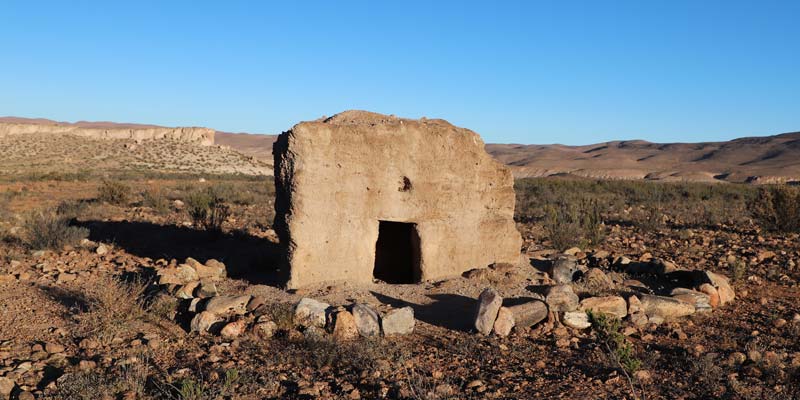
In Colombia’s case, the pre-Hispanic Pasto people who still inhabit the region built the entire network of roads. “But only some specific points are included in this designation. There are also settlements, houses, walls, drainage systems, petroglyphs and sacred sites,” Ángela says.
The designation was the result of joint work by the Colombian Institute of Anthropology and History (ICANH) and the University of Nariño. “They meant well, but it didn’t turn out so great,” says Ángela. Archaeologist Anny López from ICANH explains that “it took several years of research to bring visibility to this important site. Even today, we continue to study it.”
According to Daniel Lucero, the Inca Empire reached only as far as Rumichaca. Here, at one of the origins of the universe according to oral tradition, a battle took place between the two peoples and the Pasto won. Yet there was always an exchange between them. “Inca pottery has been found in Pasto territory and vice versa,” says Daniel. They traded products, knowledge and rituals such as the Inti Raymi through their network of ancient roads.
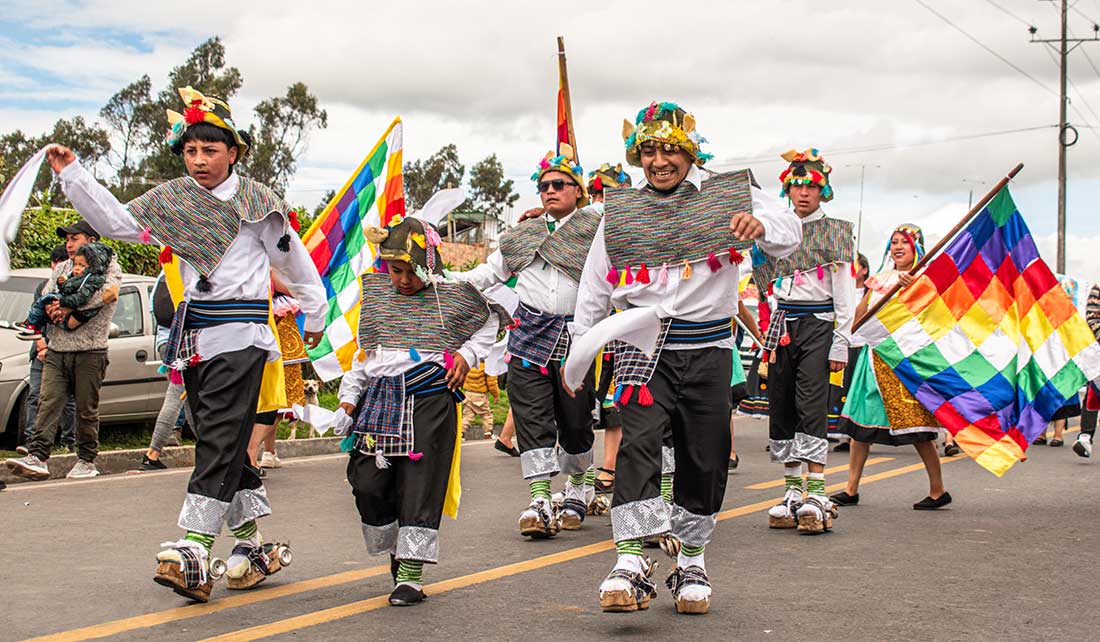
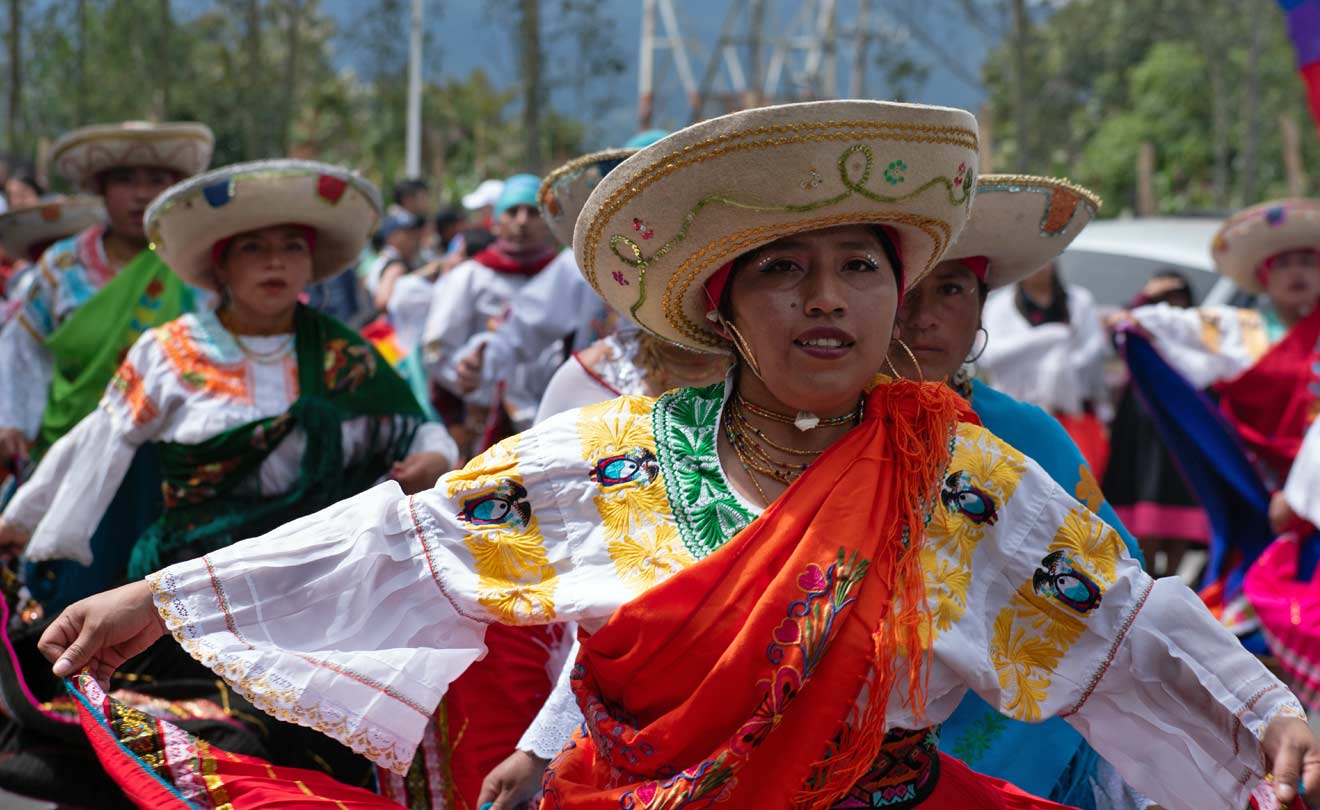
Children, teenagers, adults, and elders dance with enthusiasm during Inti Raymi, carrying wiphalas as symbols of Andean identity and dignity. This ritual, held on the June solstice, marks the Andean New Year. It is an ancient tradition of Indigenous Andean peoples and signals the beginning of a new harvest season.
Photo: Jorge Daniel Lucero Bernal
The Pasto people are binational. In Colombia, there are 24 Indigenous reserves, while in Ecuador their legal designation is different — seven rural communes. Crossing the border, the same eight-pointed sun can be seen. Ipiales, the last Colombian city before Rumichaca, lies high in the Andes Mountains, in the department of Nariño. According to Colombia’s National Administrative Department of Statistics (DANE), it has 116,136 inhabitants, 33.4 percent of whom are Indigenous.
The city currently faces a water crisis. The Blanco and Chiquito rivers, its main sources, show “high contamination levels caused by wastewater discharges from nearby communities, dairy companies and unauthorized slaughterhouses,” according to the Nariño government. “There has also been a decrease in river flow, affecting available water resources. Of the 74–79 gallons per second that are needed, only 50 gallons per second are currently reaching the municipality.” Daniel explains that about twenty neighborhoods have no access to this service.
Seeds, Tulpas and Ruins
On a small hill, to the sound of Inti Raymi music and overlooking the Panam Indigenous territory, Alexandra Puetate explains how the climate crisis has transformed the land. Deforestation, changing temperatures and the loss of wildlife and seeds have affected ancestral crops. “To confront this, we protect native seeds, maintain the chagra (the plot where food and medicinal plants grow) and preserve ancient trails that are still used for trade between Colombia and Ecuador,” she says.
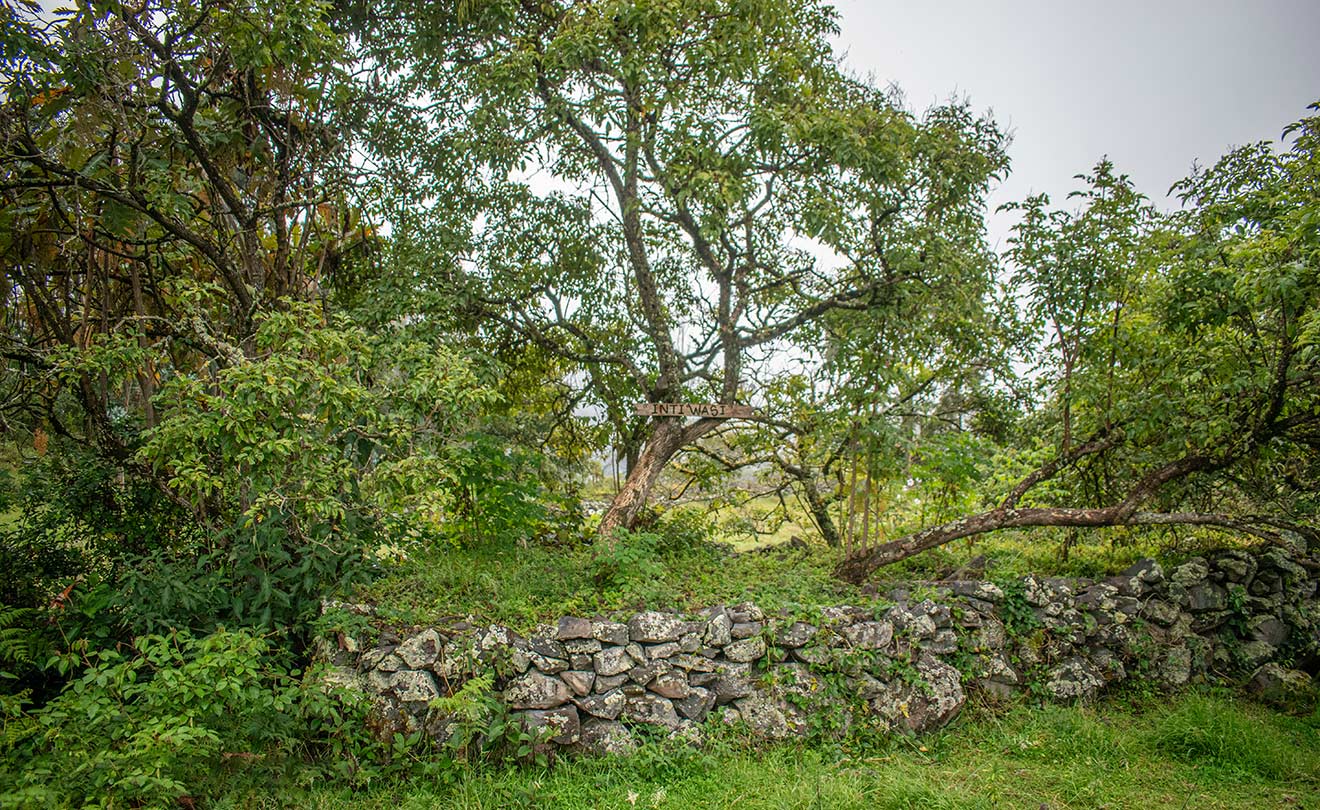
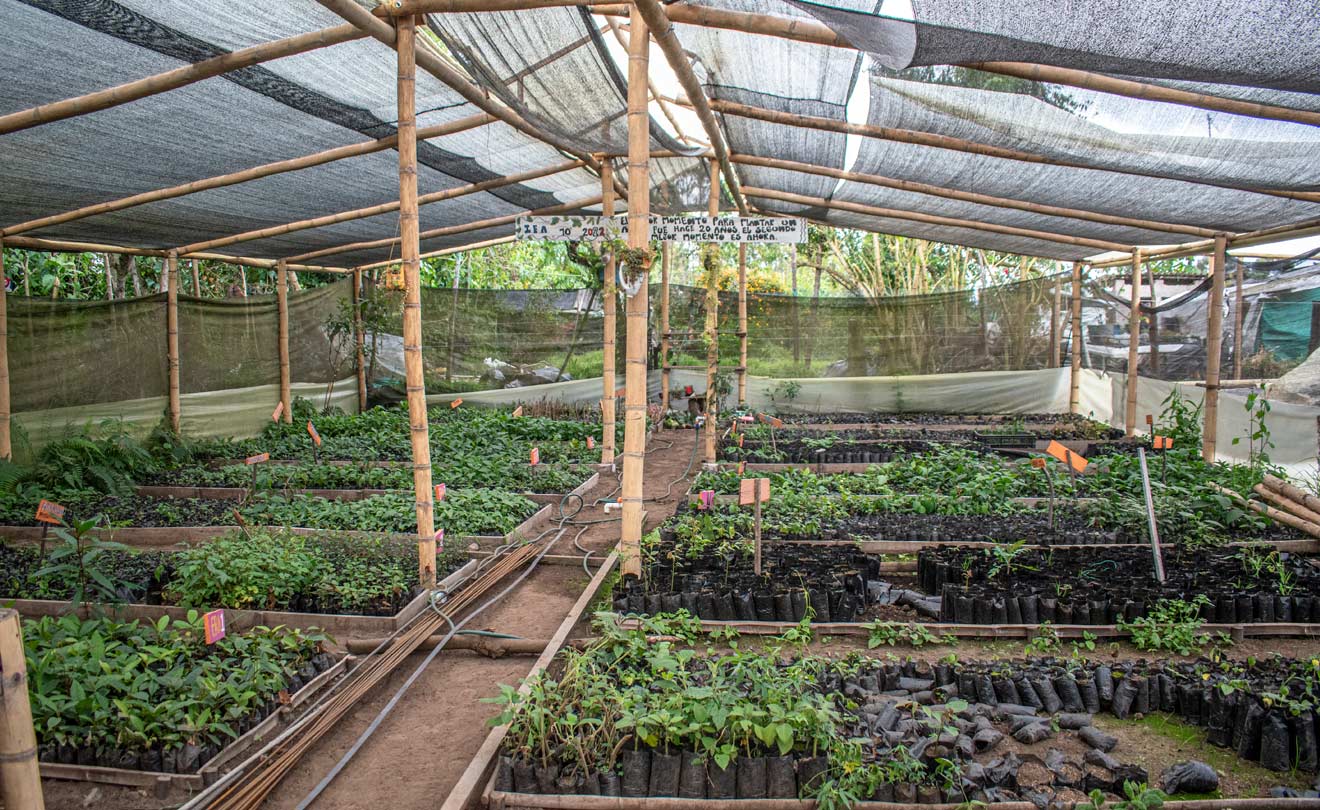
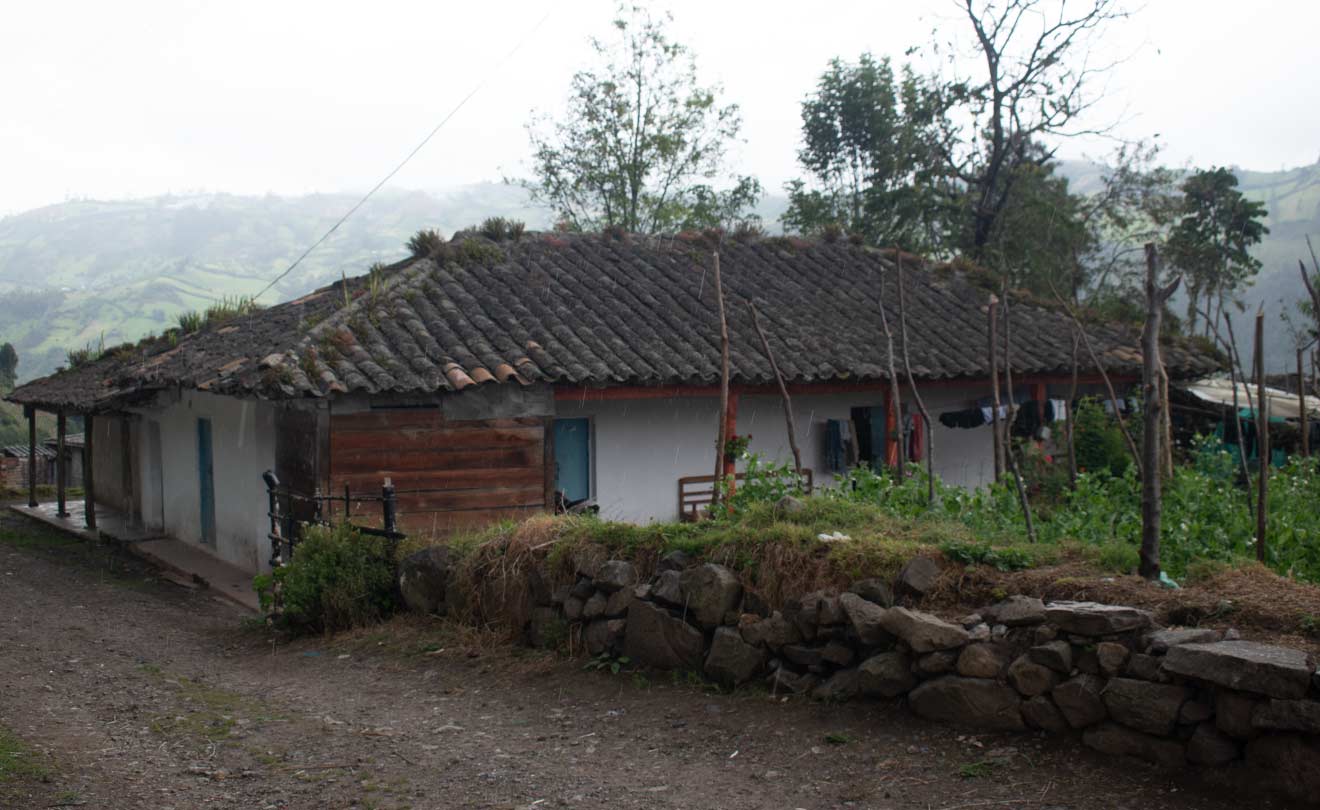
Both Panam and Males, another Pasto reserve, were excluded from UNESCO’s Qhapaq Ñan designation. Still, in Males, there’s a place called Environmental Tulpas, a pink house with colorful flowers hanging from the windows and a plant nursery in the back where environmental education is carried out with school children, women and others who gather to protect their land.
It’s called Environmental Tulpas because the tulpa is a set of three stones at the heart of the ancestral kitchen, the hearth where the pot rests and people gather to plan the coming day and reflect on the one that has passed. From this place, three mountains can also be seen, bearing the same name, sacred sites in Pasto cosmogony.
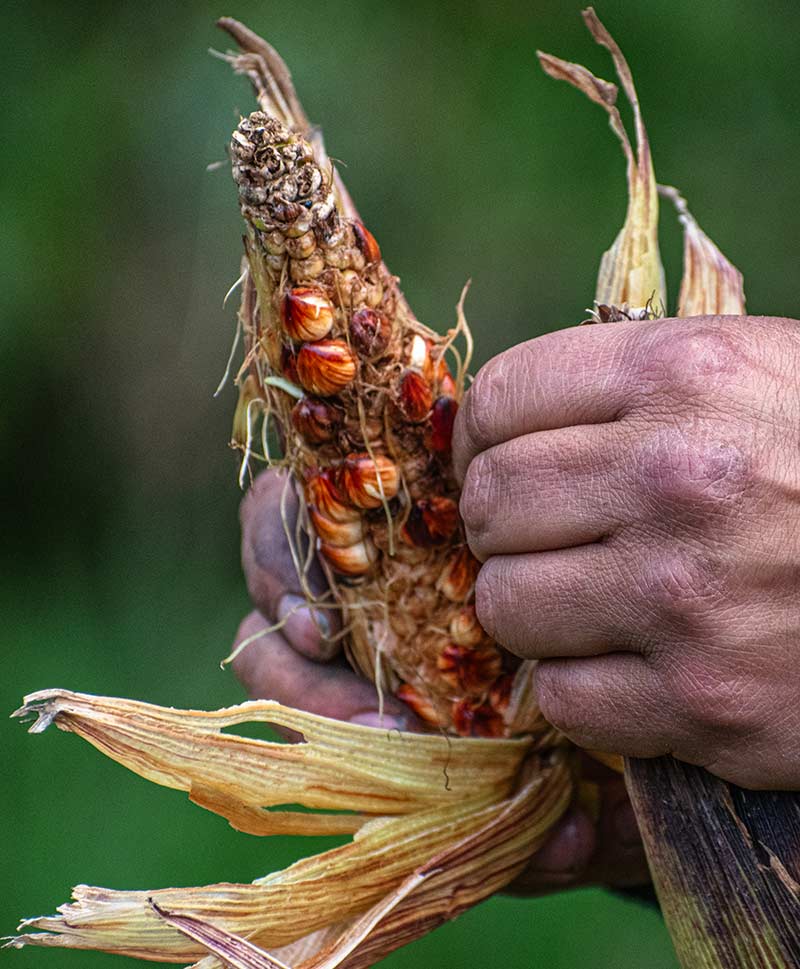
In the heart of the Indigenous Reserve of Males, in the municipality of Córdoba, Nariño, the Tulpas Ambientales Association leads an exemplary initiative in ecological restoration and defense of ancestral territory. Weathered hands hold an ancestral cob of corn—native seed, a living memory of the maize that nourishes both body and land.
Photo: Jorge Daniel Lucero Bernal
Macovi Morán, a member of this reserve, recalls that “in the past, the elders could predict rain, sun or ground frost for planting, but now it’s the rainy season and we have sun, or it rains when it shouldn’t, or we get ground frost when there shouldn’t be.” These changes have caused crop losses and social and economic hardship.
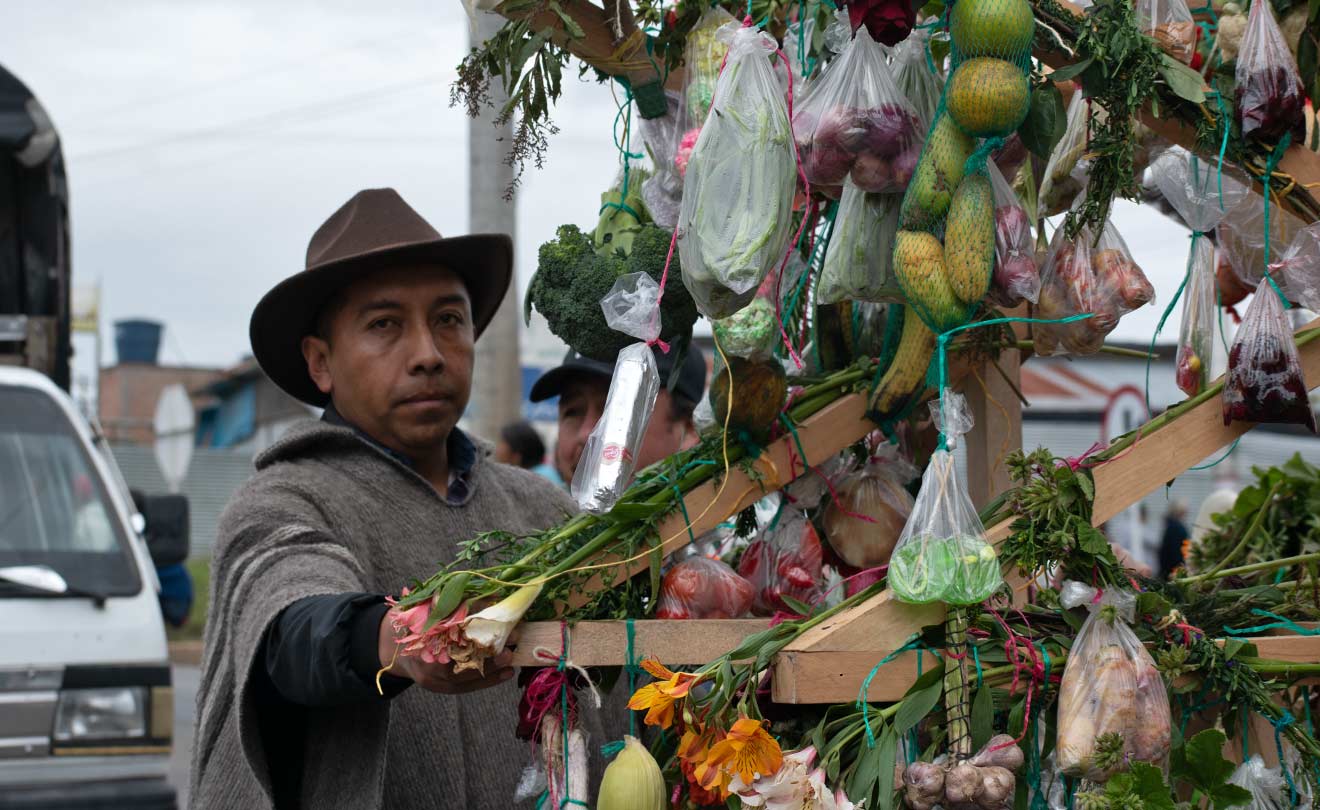
In response, Macovi stresses the importance of preserving native seeds — more resistant than modified ones — such as corn, arracacha, and majua, among others. The community has received support from the Impulso Verde Foundation in developing and applying these preservation methods.
At the Ecotourism Farm El Gran Paraíso in Funes (Nariño), also excluded from the designation, there are monumental structures resembling remnants of an ancient city — tombs, terraces, drainage systems, gates, columns and the eight-pointed sun. Mauricio Figueroa, who has lived here all his life, recalls that researchers did not enter the property because of the armed conflict, although ICANH later conducted some activities.
Colonial coins from the 18th century have also been found here, suggesting it was once a transit point. Mauricio, now part of a local agricultural association, notes that the climate crisis has changed everything. “Temperatures used to stay below 59° F and now they reach 68 °F,” causing species like snakes and woodpeckers to disappear.
Temperature in Ipiales, Nariño, Colombia (2016 - 2025)
Potatoes, Cows, and Frailejones
Colombia’s armed conflict left deep scars on this territory. In Nariño Department, according to the National Victims Registry there are 656,772 documented victims as of July 31, 2025. One affected municipality was Cumbal.
Here, the House of the Memory of the Gran Cumbal (la Casa de la Memoria del Gran Cumbal) was established — a hall whose walls tell the story of this Indigenous territory before Spanish colonization. Archaeological pieces like ceramics and sacred statues are displayed in the hall, recounting the town’s construction and its history of oppression.
Luis Carlos Cuaical, from the Cumbal Indigenous reserve, believes the climate crisis has occurred because “the whole world is globalized and that’s why temperatures rise.” He recalls that in 2025, declared the Year of the Glaciers, discussions focused on how the glaciers of the Cumbal and Chiles volcanoes have vanished due to ice extraction and atmospheric warming. “Even if we protect them, it’s impossible to preserve them,” he says. Dairy farming, he adds, remains the most reliable economic activity for families, pushing agriculture further into the moors.
Diana Piarpuezan, also from the Cumbal Indigenous reserve, explains that the Andean bear can no longer find enough food because of the expansion of communities, while wildfires have further reduced its habitat.
Still, she says youth collectives have raised their voices in defense of life and territory, though she admits that “it’s difficult, because the system we’re up against is very powerful.” Among these groups, both she and Luis Carlos mention Frailejón — a collective of women, young people, girls and boys who organize initiatives to raise awareness about environmental damage in their territory and carry out waste collection campaigns.
Perfect rows of crops contrast with the free-growing frailejones. A visual dialogue between agricultural order and wild nature—between destruction and life. Páramo of Gran Cumbal.
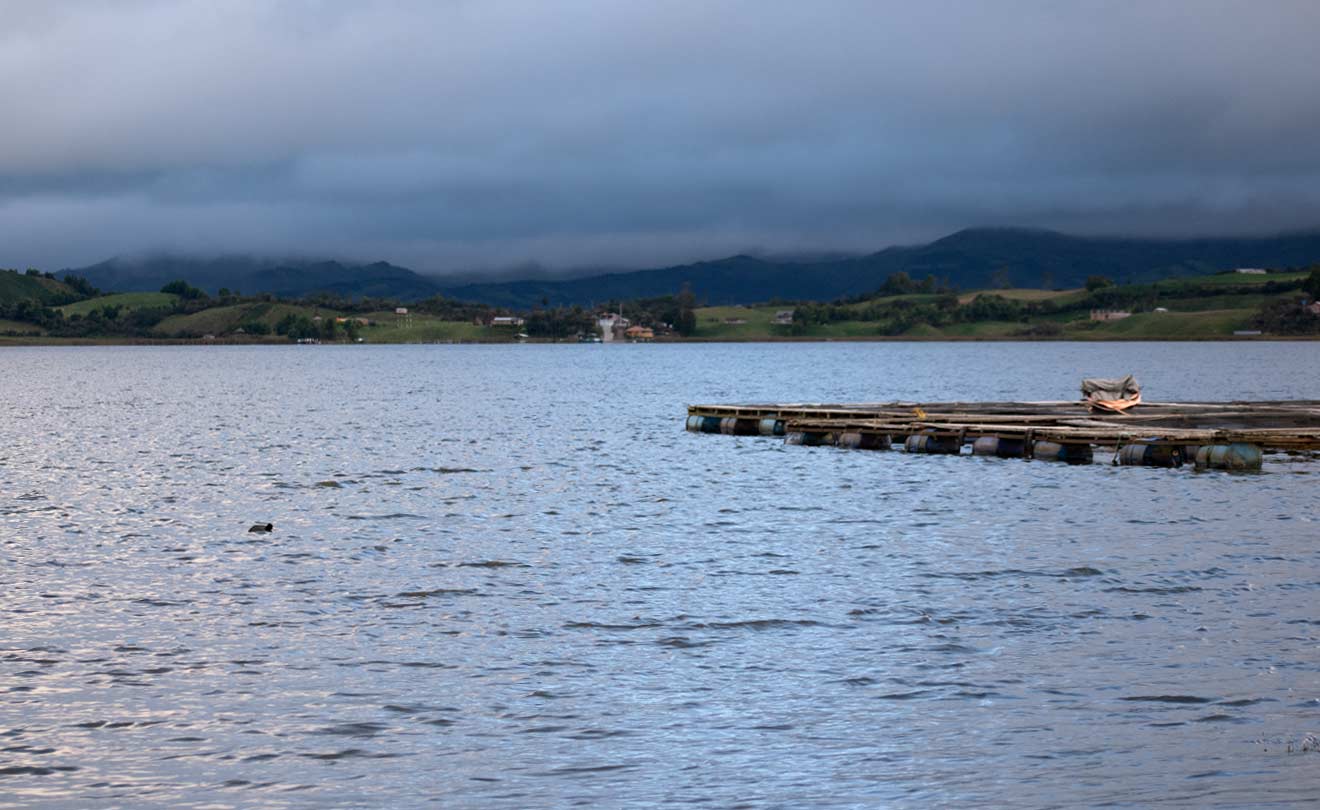
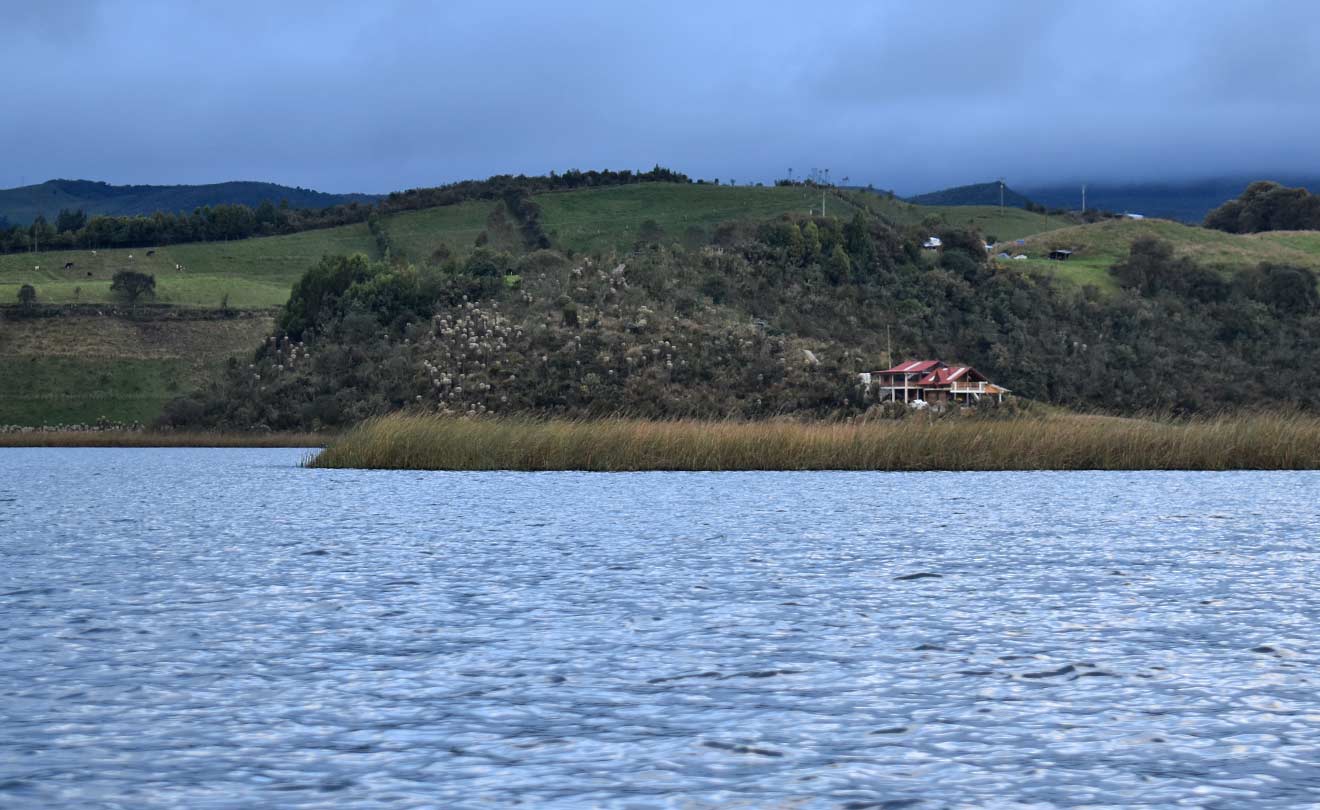
The La Bolsa Lagoon in Cumbal is a sacred site in Pasto culture. Its name comes from the shape of the mountains reflected in its waters — resembling a womb giving birth. Here, offerings are made and the mountains around the lagoon are covered in frailejones — tall, fuzzy plants that capture water.
The lagoon is full of spirits. It is said that the Pasto people also emerged from its depths at the dawn of the world. Yet agriculture persists here, despite Colombia’s Law 1930 of 2018 and international agreements that prohibit farming, livestock, mining and commercial forestry in such ecosystems.
This, Daniel Lucero explains, is a legacy of colonization. “When the Spaniards arrived, they forced the Indigenous people upward into the mountains and that’s where they stayed. That’s why people today see farming and cattle in the páramo as natural, because it’s how they survive.”
The landscape is divided like this: on one side, cows, on another, potato fields, and on the other, frailejones. This transformation of the vegetation affects water regulation and ecosystem services, especially in contexts where human pressure on the highlands is already significant as in this páramo of Cumbal.
Lidia del Rocío Moreno Cuastumal believes that these effects of the climate crisis are linked to neoliberal policies that disregard both the territory and the ancestral rights of Indigenous peoples. The teacher compares the construction of a highway in Ipiales to “cutting open a mother’s womb to rip her child away by force.” To heal Mother Earth, she says, environmental policies must change, integrating education, health and territory and recognizing solar and lunar cycles as guides for planting.
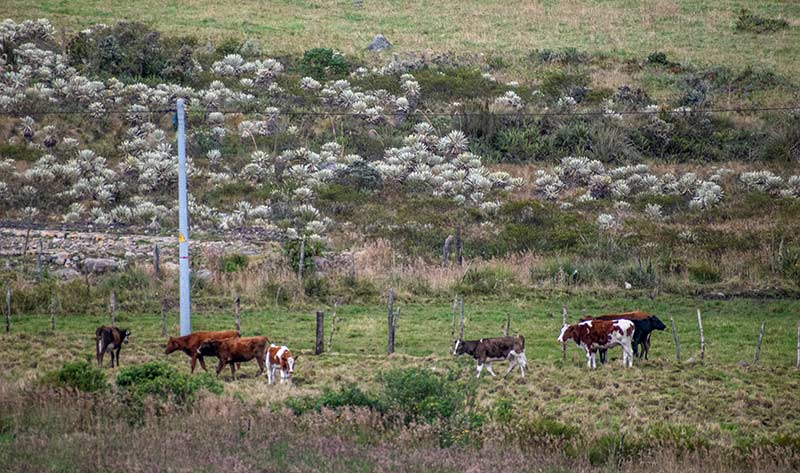
Cattle weave their way among frailejones: a striking contrast between livestock activity and the remnants of strategic high-Andean ecosystems.
Photo: Jorge Daniel Lucero Bernal
Over the past 40 years, these communities have replaced eucalyptus and pine trees with native species that replenish water sources, strengthened family and communal chagras where food and medicinal plants are grown, and advanced projects like Quilca Kuna, which restores the land’s voice and sustains an Indigenous education model rooted in spirituality, agriculture and water conservation.
Lidia concludes that the true ancestral roads are not found in UNESCO’s Qhapaq Ñan designation but in the heart of the territories, where people have transformed their relationship with malevolent spirits by planting native species that guard, carry and nourish the water to heal the wounds of Mother Earth.