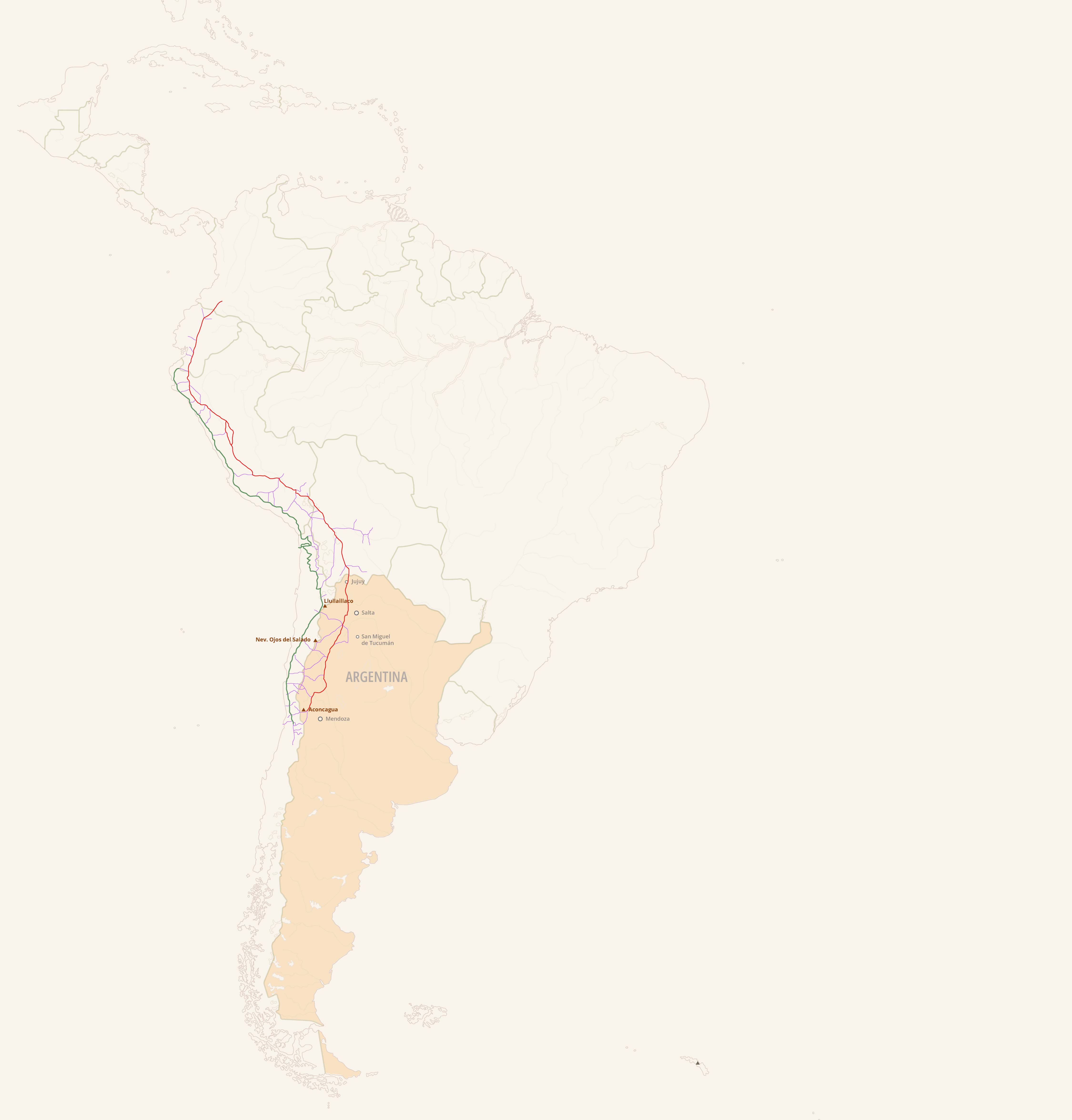
The Tastil people of Argentina have preserved a unique worldview for generations. Amid their adobe homes, an unforgiving climate can turn any storm into the last.
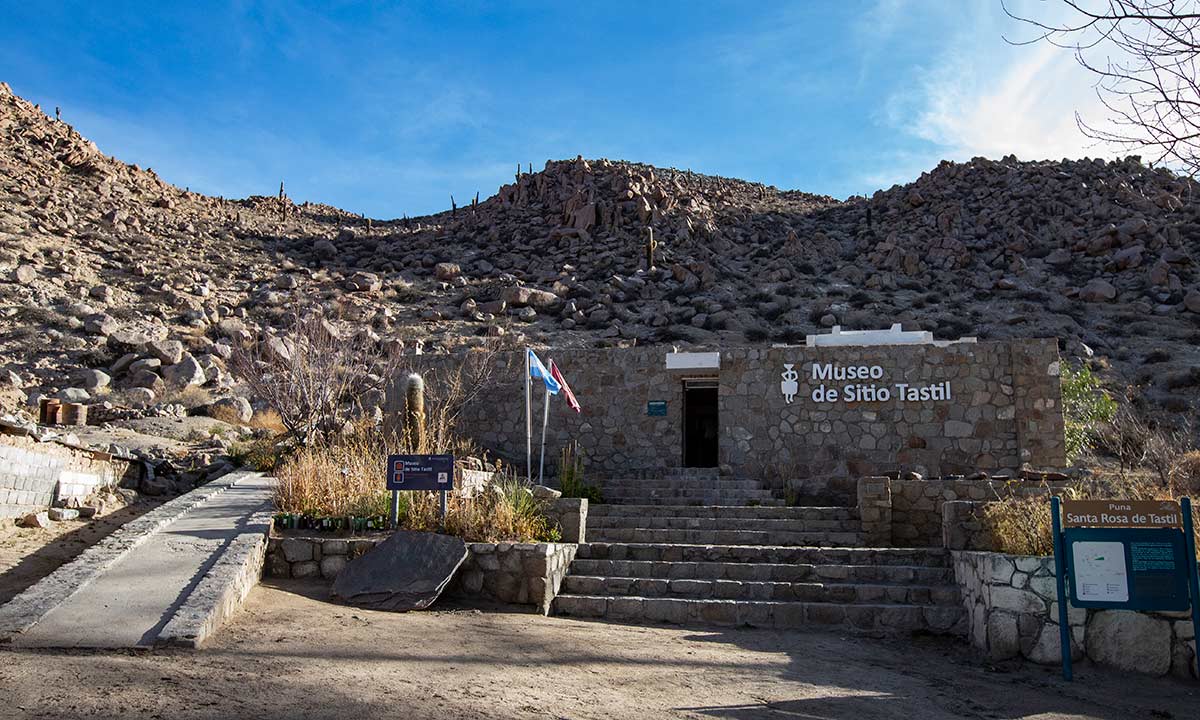
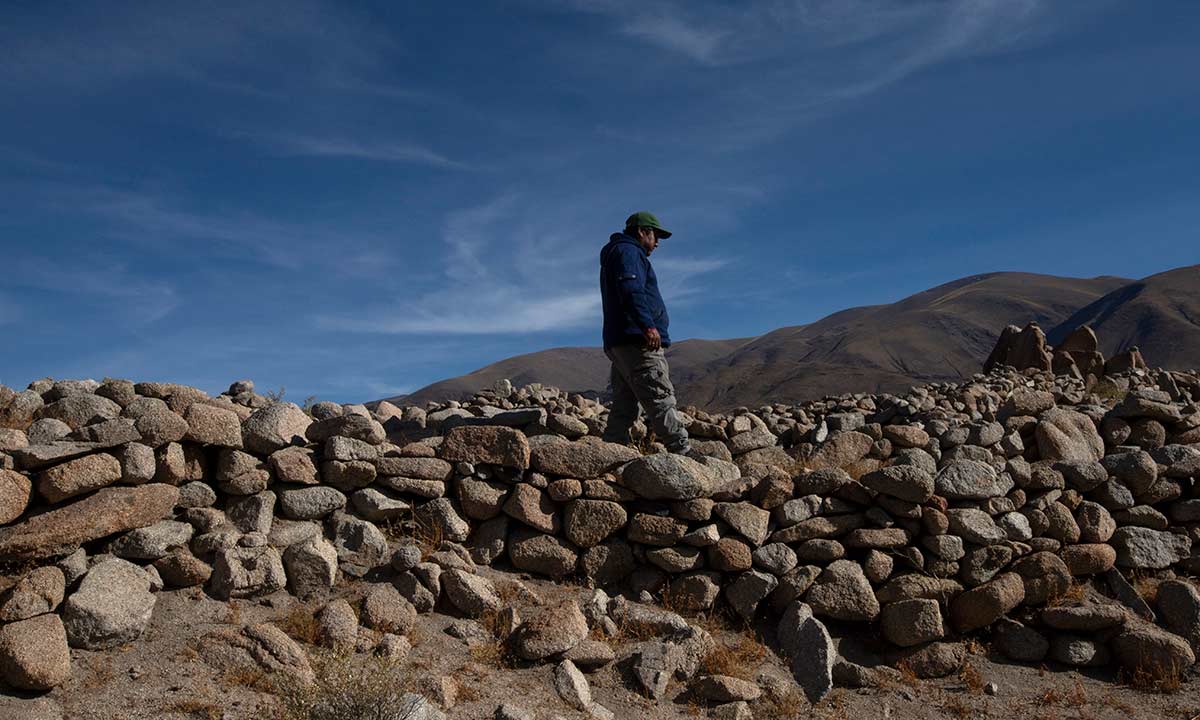
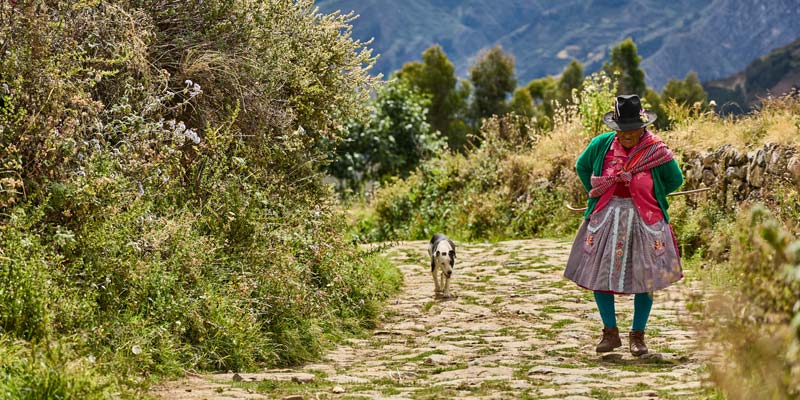
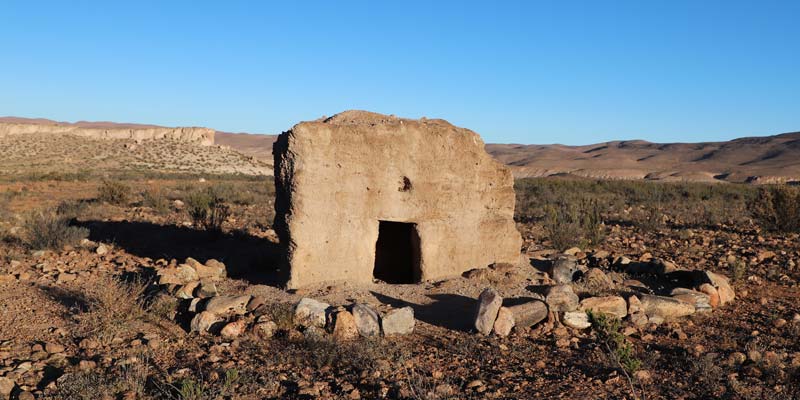
It’s easy to picture Marcelina as a little girl, bored with tending livestock. She leads the herd to the ruins of Santa Rosa, hair tied back, perhaps wearing a colorful jacket. The air is cold, the wind strong. She walks among the ancient walls of the place where the stones speak—Tastil. The goats leap, toppling the stone walls. Childhood games.
And who really cares about a few stone structures in the middle of the Salta highlands, remnants of an Indigenous past slowly fading away?
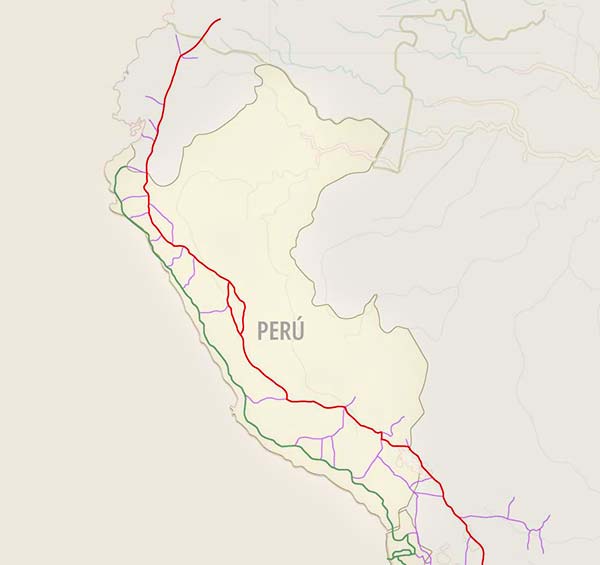
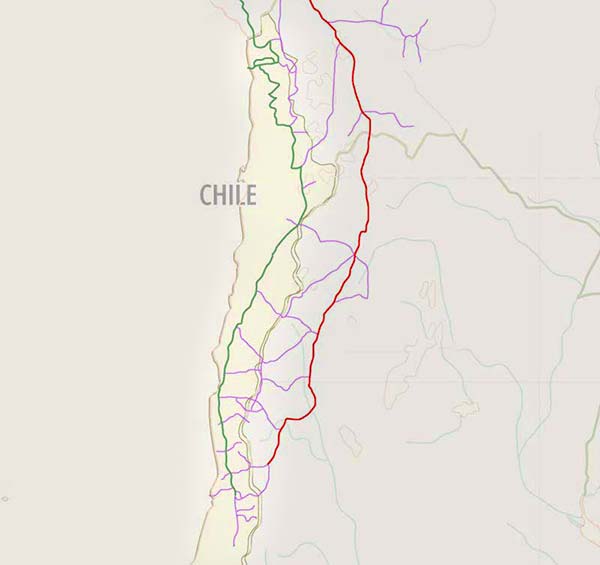
When UNESCO declared the Inca Trail, or Qhapaq Ñan, a World Heritage Site, it also recognized the cultures that live along its route. That “living heritage” is made up of Indigenous communities, people striving for a better life yet determined to preserve their age-old ways.
And that’s where the contradictions begin.
How can an ancestral culture be preserved amid such social vulnerability, with the climate crisis looming in the background?
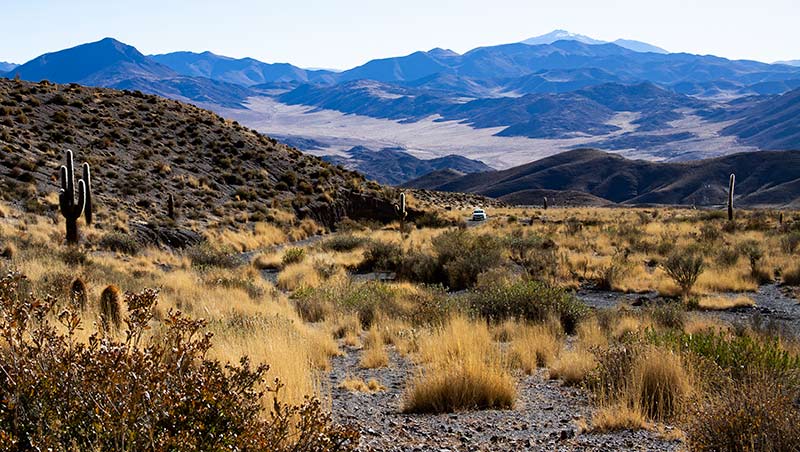
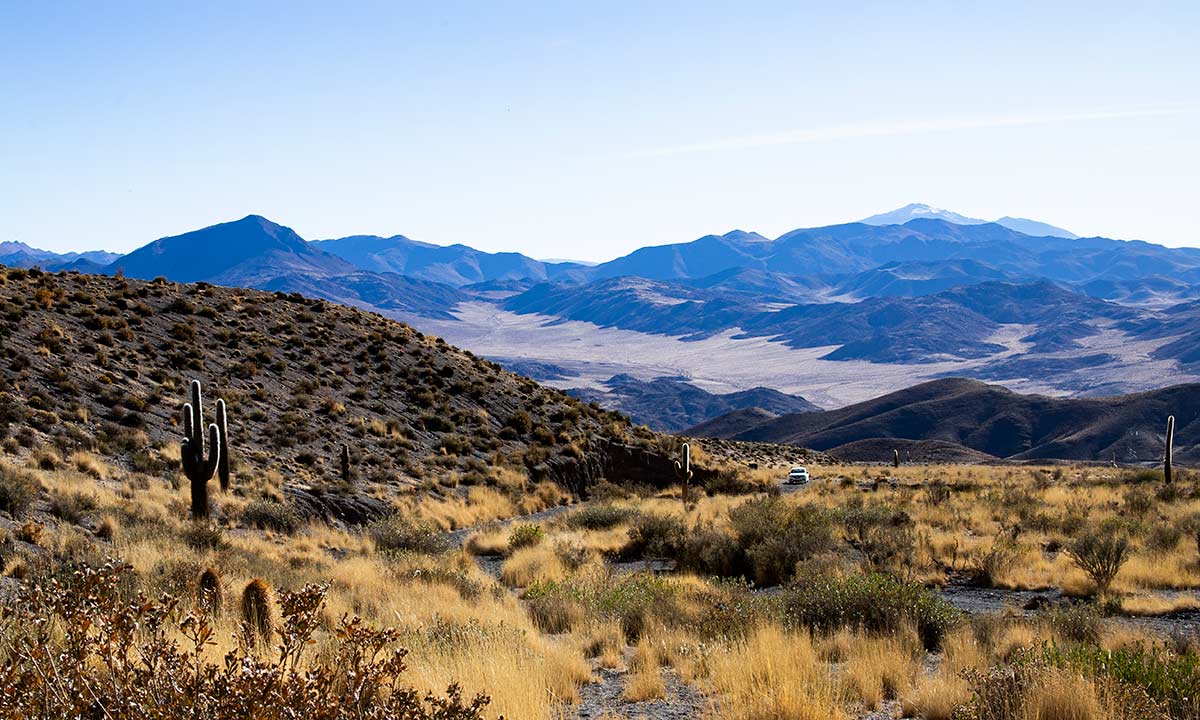
Panoramic view from the Qhapaq Ñan, descending south toward Tastil. The road stands as an exceptional testimony to a culture and the resilience of Indigenous communities.
Photo: Gianni Bulacio
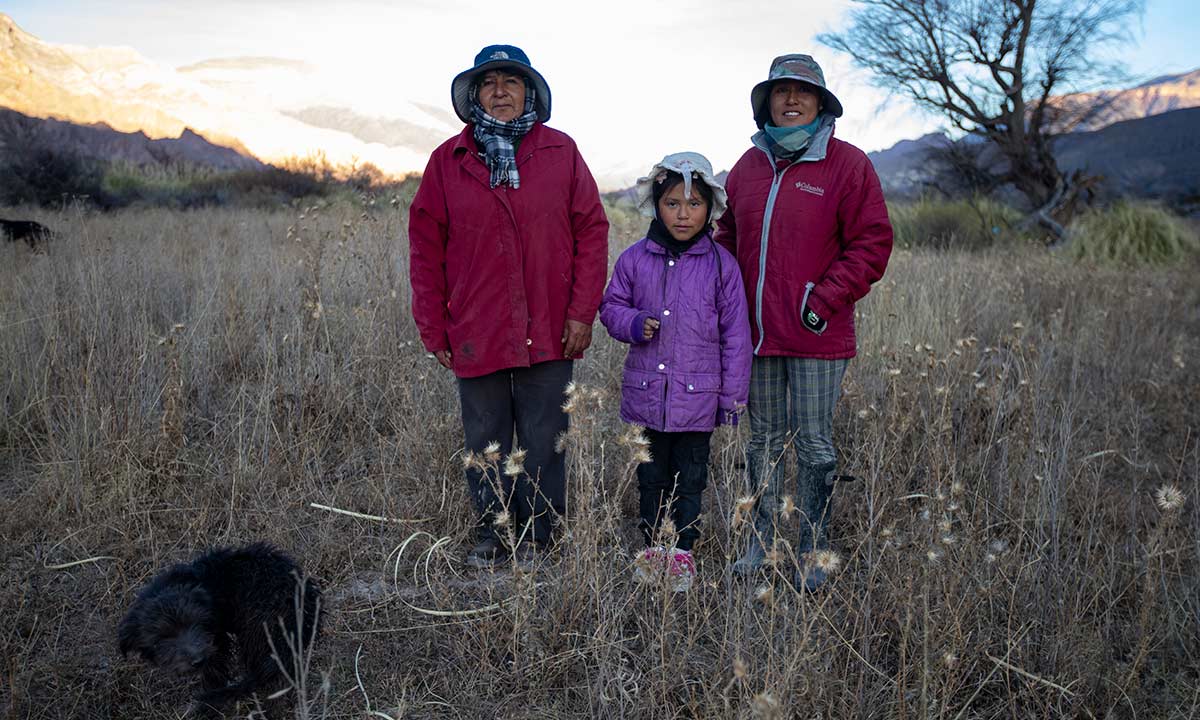
Marcelina Zalazar is Tastil, both a member of the Indigenous people and a resident of the hamlet that bears their name, Santa Rosa de Tastil, in Salta, Argentina. Her father was the first guardian of the ruins, the largest pre-Inca settlement in the country. She has carried on his legacy. At 48, she serves as president of the Local Management Unit (UGL) and works at the site’s museum.
“It’s a legacy you feel, you live, and you just can’t let go of,” she says. “From the bottom of my heart.”
Reaching Tastil means traveling about 68 miles from the city of Salta, through the Quebrada del Toro. It’s an arid land of cacti, mountains and valleys, where Pachamama—Mother Earth—rules with an iron hand. A place of freezing nights, searing suns, and winds strong enough to unseat a man on horseback. The Andes watch this world from above.
The Quebrada del Toro is part of the Qhapaq Ñan, a “heritage monster” or a unique experiment, depending on whom you ask. In Argentina, the network protects 32 archaeological sites, 18 communities, and 73 miles of a 930-mile route that winds through seven provinces.
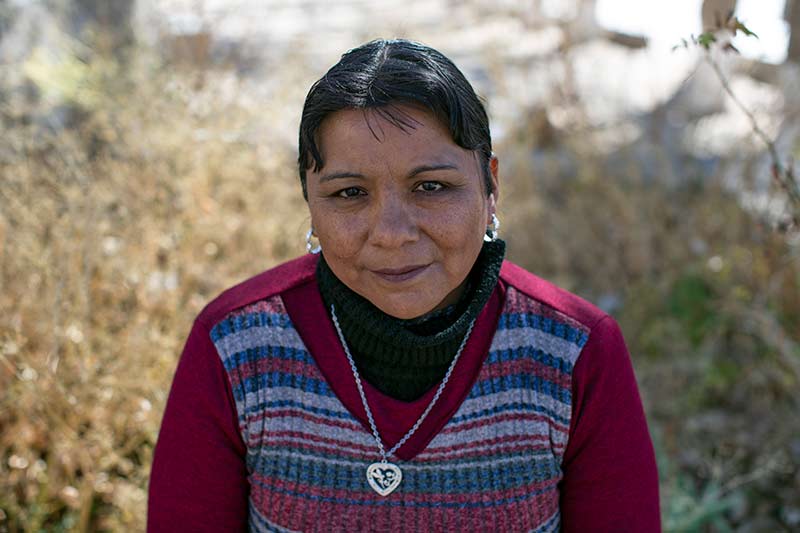
Marcelina Zalazar says that young people feel ashamed of their Indigenous roots, but it’s a heritage one learns to love. “As you grow older, you see it from another perspective. When you’re sure of what you feel, of where you were born… today it’s your heritage, my heritage, everyone’s heritage, as it’s always been.”
Photo: Gianni Bulacio
Among the mountains, the Tastil people have lived for generations, raising goats and cultivating native potatoes, broad beans and local corn. But fewer and fewer remain. Like Marcelina, many have left for the city in search of something else.
“When people leave,” she says, “they don’t come back. They visit. They still have grandparents, great-grandparents, maybe.”
It’s not easy to stay when opportunity lies elsewhere, when progress seems to be far away. For Marcelina and many others, the Qhapaq Ñan offered a reason, an economic one, to return. But the story is far more complex. For the Tastil, the road embodies their deepest dilemmas: land ownership, tourism and who it serves, mining, and Indigenous identity.
Reclaiming the Tastil culture has been both a legal and cultural process. Esteban Vilca, representative of the Tastil People’s Council at the UGL, led the effort, holding conversations with the communities about their past.
“It wasn’t difficult,” he recalls, “because people already had it in their essence, that they belonged to a historic, pre-Inca people who had always lived here. They would start saying, ‘My grandfather told me…’”
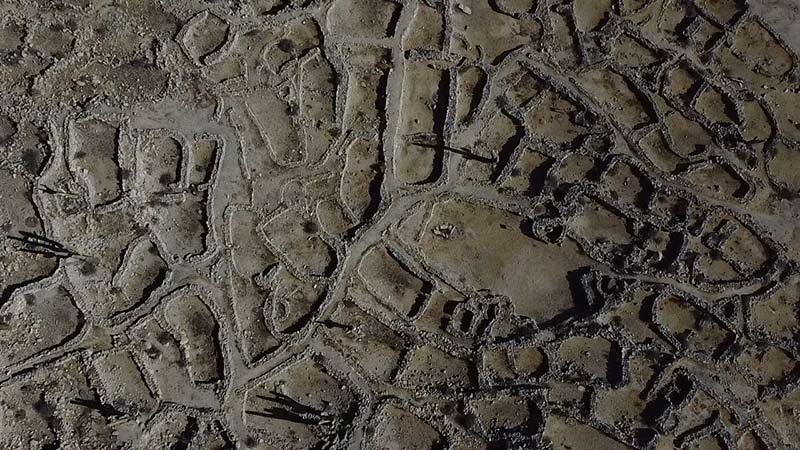
The ruins of Santa Rosa de Tastil, seen from the sky. Centuries ago, the town was a vital hub connecting the Andean villages of northwestern Argentina. Photo: Gianni Bulacio
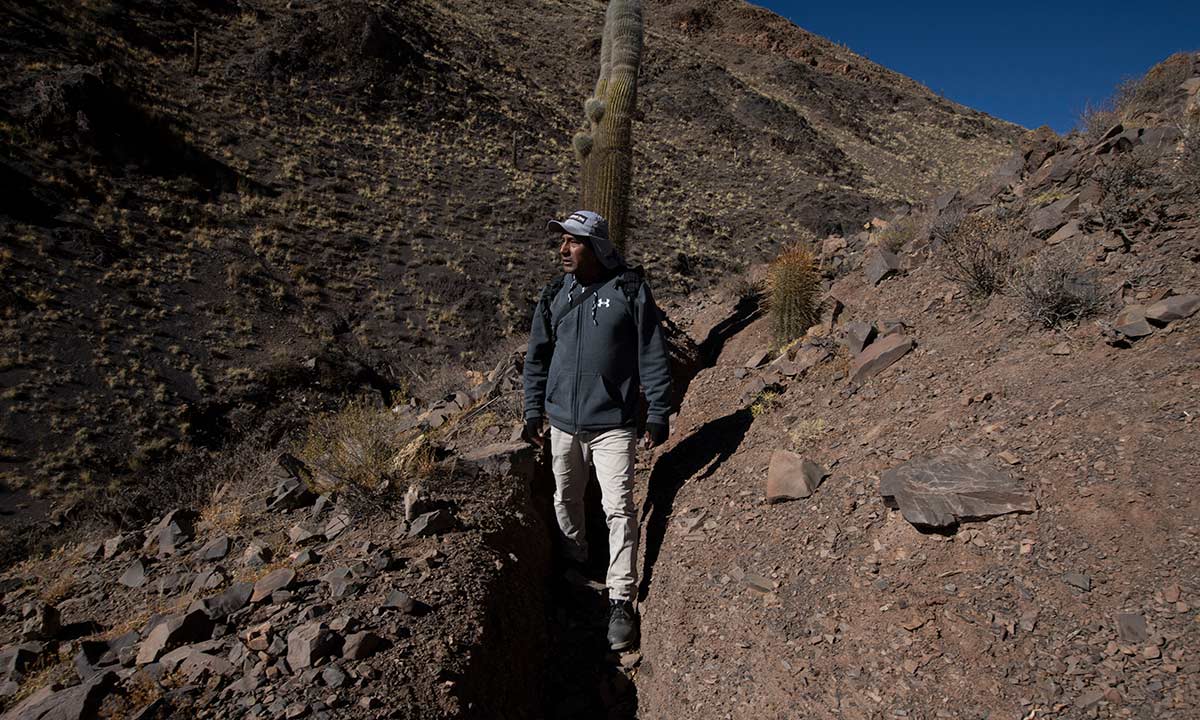
Paulino is from the hamlet of Capillas along one of the few stretches of the ancient road still in use in Argentina.
“Our grandparents taught us how to care for nature, how to perform the rituals for the Pachamama. To protect what’s ours, where we live. To care for even the smallest things. And never to sell—never. They always said, ‘You have to defend this place. You have to live here.’ ”
When the Rain Devastates
March 6, 2025. A video posted on Facebook shows a house in La Quebrada that is completely flooded. It’s dark. A cellphone flashlight cuts through the water, footsteps splashing. At the doorway, a drenched dog looks inside, almost sorrowfully.
Another image, taken the next morning. Mud everywhere, brown water tearing through it all. Belongings ruined, lost crops. Sheep drowned by the roadside.
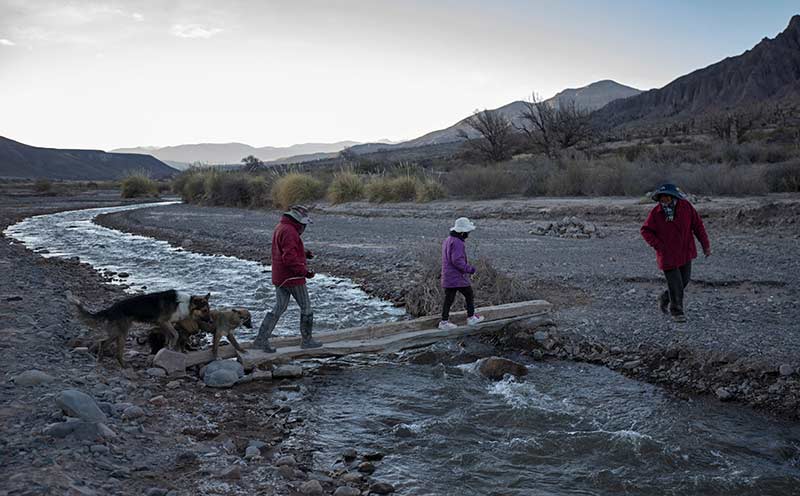
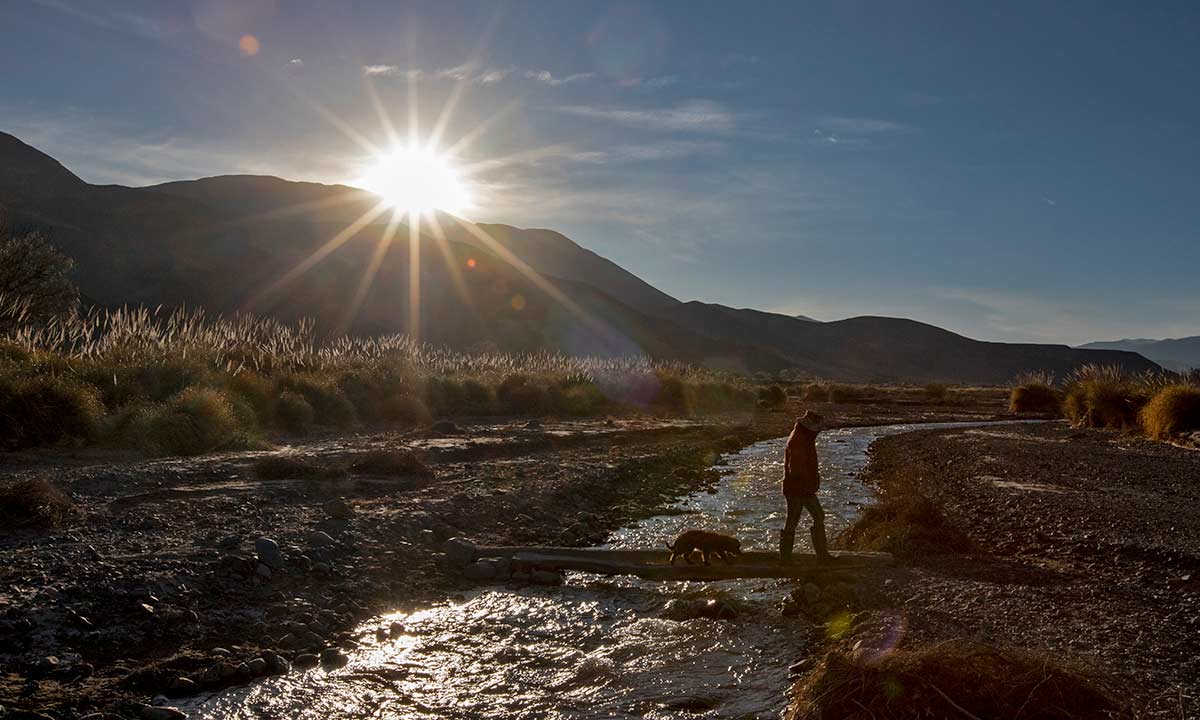
Rosita, her mother and her daughter cross a makeshift bridge over the Toro River. On their way back from the fields, a sudden flood swept away Rosita’s father in 2024.
Photo: Gianni Bulacio
Early that March, the Quebrada del Toro flooded. At least 22 families lost their homes and harvests, according to the Argentine media organization Cadena 3. The Toro River overflowed, ripping up sections of National Route 51 and setting off landslides down the slopes. In San Bernardo de la Zorra / Condor Wasi, the river rose in just 40 minutes, flooding the hamlet and sweeping away three homes and all the crops.
Each summer, floods like these devastate communities with few resources to adapt. Over 60 miles away, Paulino saw the same thing happen at his post.
“Yes, water came into my house,” he says. “It covered the crops and the irrigation ditch. The damage was quite bad. The potato crop was ruined. I didn’t harvest much at all. But well, what can you do?”
Victor Cruz, from the UGL and the Tastil People’s Council, lives in Incahuasi, where the water eroded dirt roads and left 40 families isolated.
“Sometimes it barely rains at all,” Victor says. “But then a storm hits and destroys everything in its path. These past few years have been tougher. Before, it used to rain, but not like this. Now the storms are wild. You get half an hour of rain and it wrecks everything. Before, it would drizzle for months.”
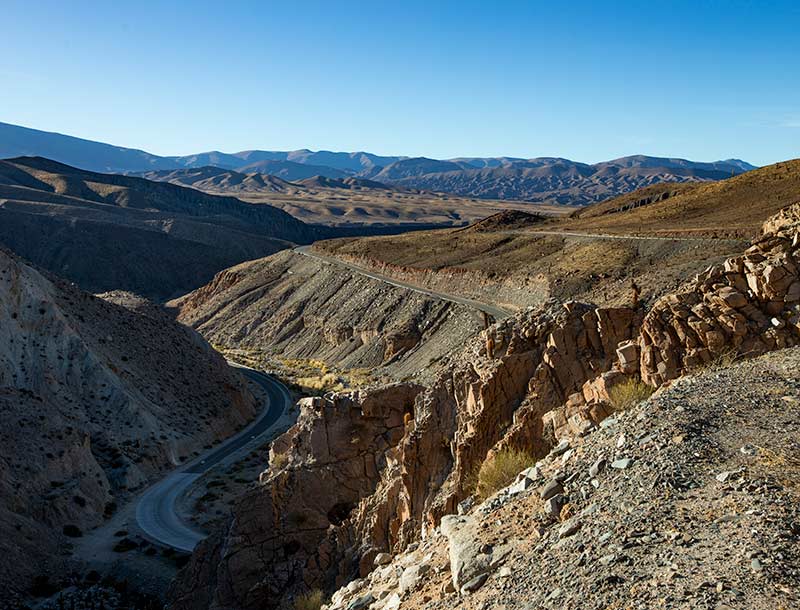
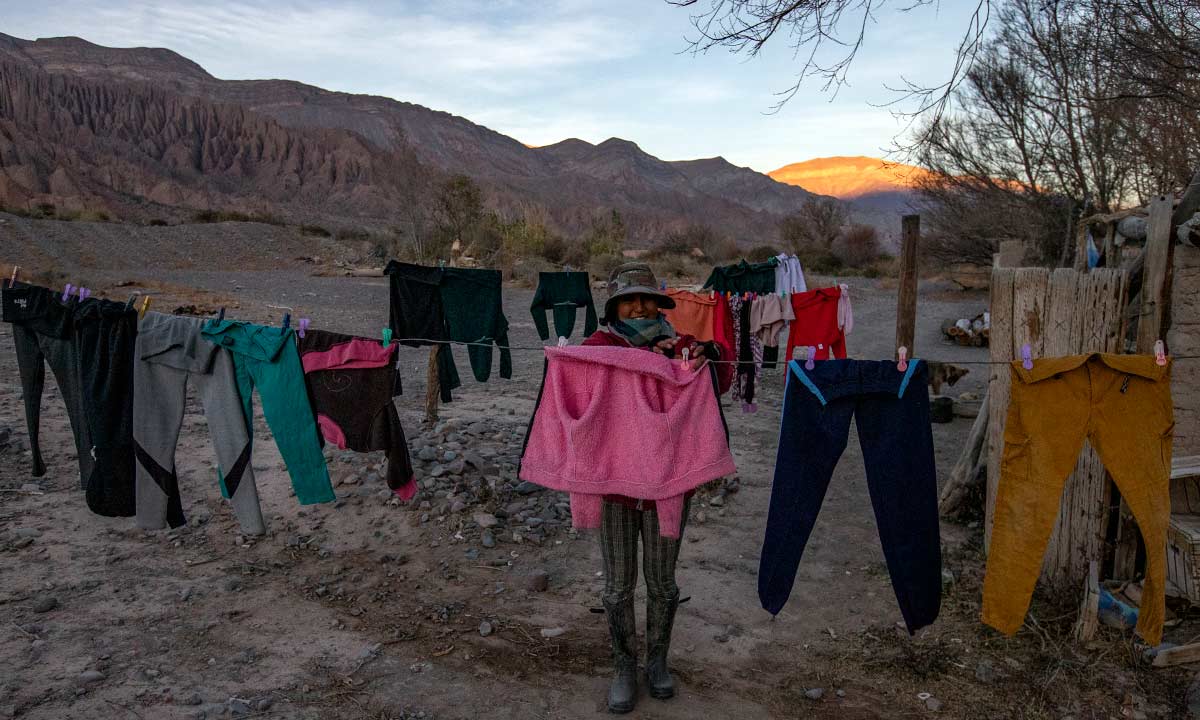
The Salta highlands are marked by water, wind, and the hand of man. Photo: Gianni Bulacio
Torrential bursts of rain followed by months of drought means that locals no longer recognize the storms that strike the highlands. Their experiences echo in the offices of the Qhapaq Ñan in Salta, where officials monitor the environmental conditions that affect the preservation of the ancient road. Historical data show that total annual rainfall has remained roughly the same. The problem, they say, isn’t the amount, it’s the quality of the rain, or rather, how it falls.
Rainfall Santa Rosa Tastil-(2015-2024)
Average Rainfall in Santa Rosa de Tastil
Now it either pours all at once or doesn’t rain at all. Drought or flood—there’s no middle ground.
The Tastil people aren’t the only ones feeling the ground shift beneath their feet. Across the Andes, communities are raising their voices about an environment in turmoil. Science confirms it. The Andes are among the most disaster-prone regions in the world. The scientific journal Nature published a meta-analysis showing that floods, droughts, landslides and glacial overflows are devastating the mountain range and that human-driven climate change is partly to blame.
The backbone of Latin America is shifting. The same article in Nature draws a clear connection between climate change and rising temperatures in the Andes. These increasingly extreme conditions—scorching heat and biting cold—make life and production ever more difficult in the Salta highlands, explains the Qhapaq Ñan Salta Program. Communities live on a fragile edge, where any imbalance brings loss of crops, of livelihoods, of lives.
Paulino puts it simply:
“Sometimes you plant your little corn patch, and a frost comes and kills it all. You can’t expect much. Then summer comes, and hailstones fall, sometimes leaving you with nothing. It’s hard now…These are nature’s ways. You can’t fight against nature.”
Daily temperature in Santa Rosa in Tastil, Argentina (2016 - 2025)
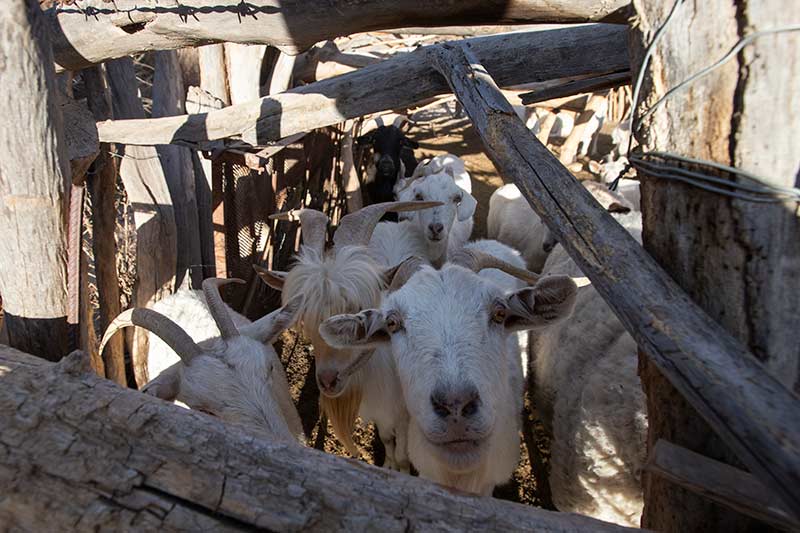
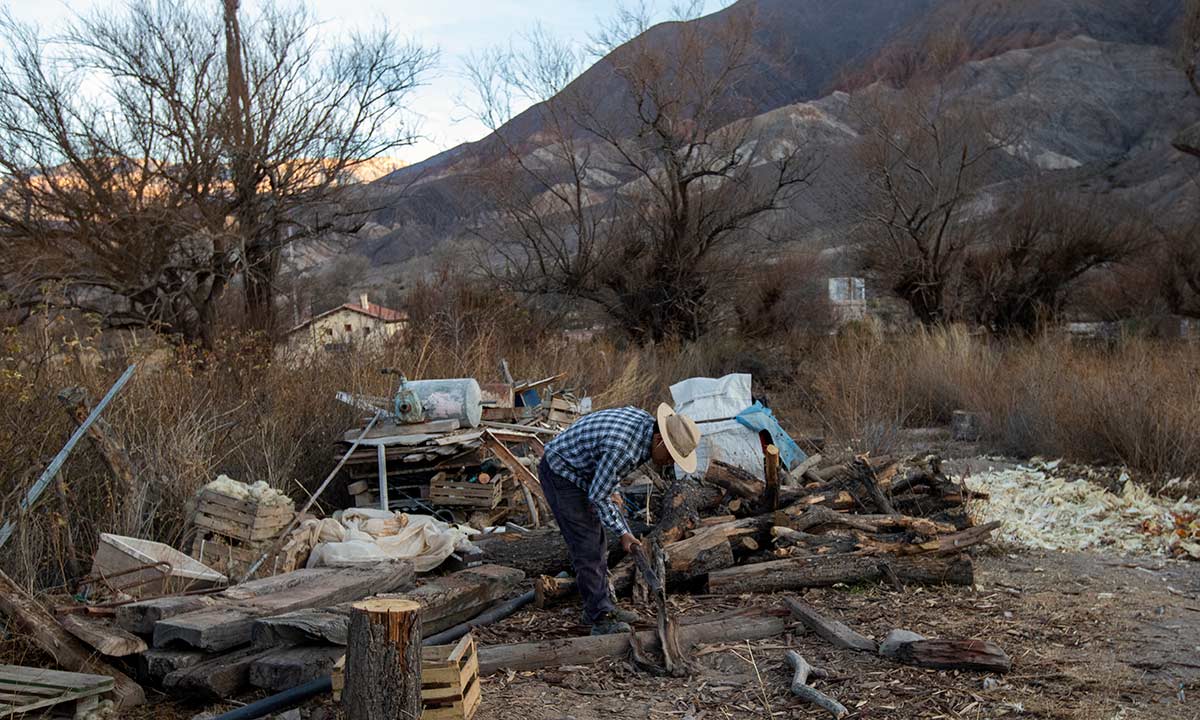
With livestock and agriculture increasingly affected by climate shifts and mining interests pressing in, some Tastil families see the Qhapaq Ñan as a possible economic lifeline. Photo: Gianni Bulacio
At 32, Elida Cruz, an animal production specialist and one of the youngest voices in the Tastil Council, says that rising temperatures and droughts will permanently reshape their culture and ancestral farming practices.
The Qhapaq Ñan hasn’t been spared. Provincial and national authorities agree that the climate crisis ranks among the greatest threats to its preservation. Landslides, floods and sudden local storms can destroy archaeological protections, as happened in Salta in 2023, and undermine the trails and erode ancient structures. But the list of threats runs long: vandalism, earthquakes, mass tourism, local fauna, and mining.
“The highlands are no longer what they used to be,” says Diego Sberna, director of Qhapaq Ñan Salta. “Today they’re crowded with mining trucks.”
Indigenous communities and public officials alike watch as mining operations take root along the edges of a World Heritage site. For specialists, mining is the second-greatest challenge to its preservation. For locals, it’s a double-edged sword—jobs and progress on one side, but the loss of youth, land and ancestral ways on the other.
Contradictions.
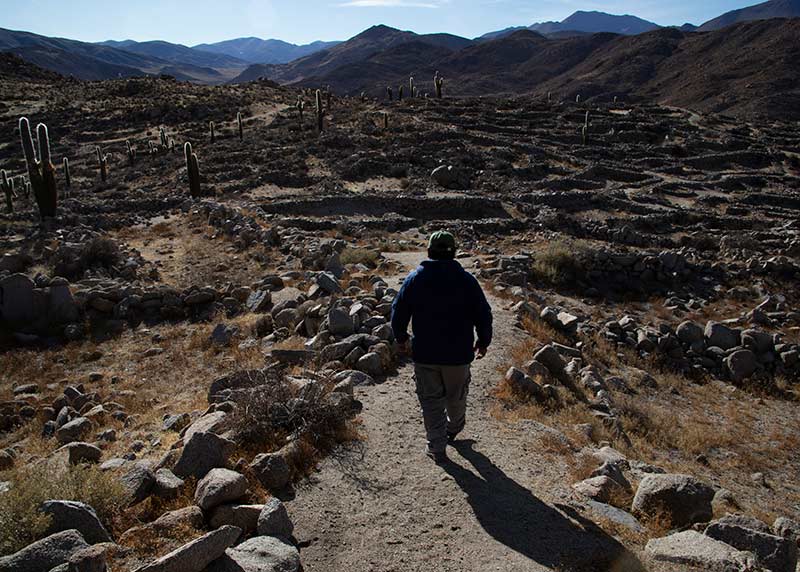
Protecting the Qhapaq Ñan is a challenge commensurate with its 30,000 kilometers. In Salta, lithium mining is encroaching on its banks. Photo: Gianni Bulacio
The Road Is More Than Stone
The Tastil People’s Council believes that only through organization can they truly take part in managing the Qhapaq Ñan. The road is their right and they demand to be at the center of decision-making.
They fight, they protest, they defend. They don’t always feel heard, yet they continue to use the platforms available to them, such as the Local Management Units (UGLs) and the Federal Table of Indigenous Peoples. Victoria Sosa, from the National Institute of Anthropology and Latin American (INAPL) and the Qhapaq Ñan’s national technical secretariat, was the one who introduced a “co-management” model that includes Indigenous communities in decision-making processes.
But it’s not just about administration or resources. Indigenous communities play a key role: they embody an Andean worldview now recognized as Intangible Cultural Heritage.
Marcelina explains:
“The Qhapaq Ñan was created to protect our traditions, naturally—our water, our crops, so that our children can grow up living this way.”
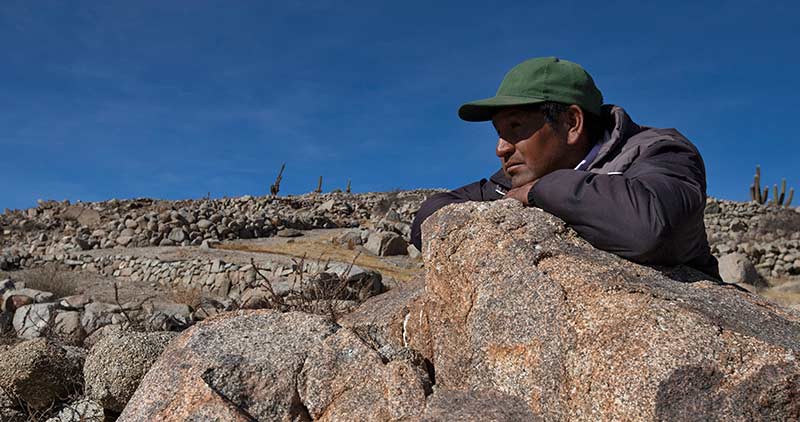
The Andean worldview —complex, hybrid, diverse— is a manifestation of the intangible heritage of this land. Photo: Gianni Bulacio
Mountaineer and archaeologist Christian Vitry has been part of the Qhapaq Ñan project since day one. Like many specialists, he stresses that they’re not just working with stones, they’re working with people, with living heritage. He recalls the first meetings with the communities, arriving “with the little UNESCO folder tucked under our arm.”
When we arrived in Tastil, the first thing they said was: ‘All right, we’re fine with the cultural heritage part—we live here, we love and respect the archaeological site. But…’ And then came the long list of unmet needs: ‘We have no water, no electricity, no connectivity—we don’t have, we don’t have, we don’t have.’”
“Basic human dignity issues,” says Christian.
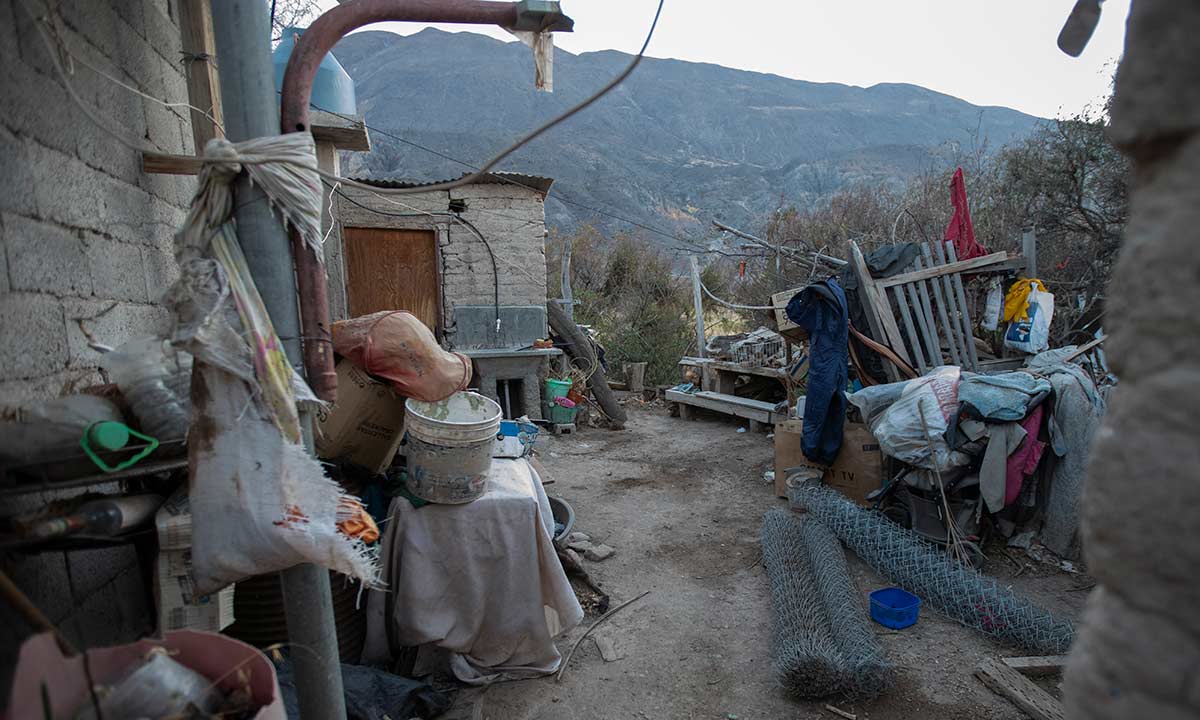
The Qhapaq Ñan crosses some of the most vulnerable regions in the country. Socioeconomic indicators are “very weak.” Northwest Argentina has the second-highest poverty levels nationwide and 41.2% of people in the city of Salta live in poverty, according to the National Institute of Statistics and Censuses (INDEC).
“It’s good that we’re working on heritage,” argues Victoria, “but heritage isn’t more important than the people.”
The disaster is not caused solely by the natural phenomenon: High levels of social vulnerability and a lack of climate-adapted infrastructure put the inhabitants of the Quebrada at risk. Photo: Gianni Bulacio
Do We Care About Our Heritage?
What isn’t named doesn’t exist. It’s hard to value what most people don’t even know exists. For Christian, it takes more than a few impressive titles for Argentines to truly take ownership of their heritage. Still, everything has to start somewhere. Eleven years after UNESCO’s declaration, Victoria highlights how meaningful it is in a country that seldom identifies as Indigenous.
“Six Latin American countries are recognizing their pre-Hispanic heritage. I think it’s a powerful political statement,” she says.
You can’t protect heritage without funding. President Javier Milei’s government has made dismantling the state its political hallmark. The “chainsaw” cuts have reached culture and the environment alike. Like a white elephant, the federal structure created to manage the Qhapaq Ñan now stands as an empty shell. The Federal Management Unit, an anonymous source says, is operating “at its bare minimum” due to a lack of public funding. Provinces have been left almost entirely on their own.
Let’s look at the numbers.
The INAPL, the Qhapaq Ñan’s technical secretariat, has a 2025 budget of around $47,000. By July, only 7.1% had been spent. Meanwhile, the national environmental budget dropped 30.2% this year alone, according to the Environment and Natural Resources Foundation.
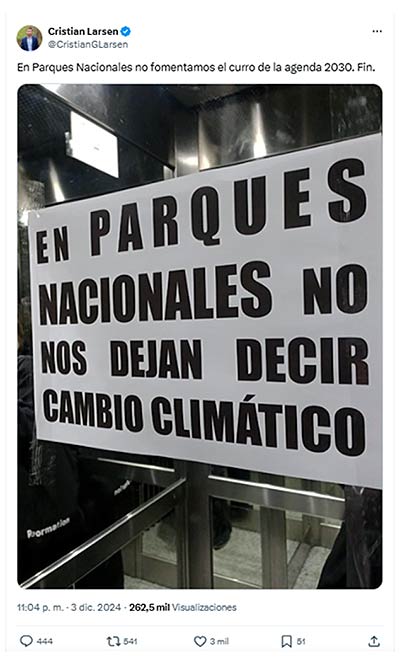
The anti-environment crusade continues. “Climate change” has become a taboo term within the government. An anonymous source confirms that Parques Nacionales (National Parks), one of the agencies overseeing the Qhapaq Ñan, is prohibited from mentioning climate issues. Its former administrator, Christian Larsen, referenced this restriction in a 2024 tweet.
Popularity doesn’t always mean protection. Mass tourism can be harmful to archaeological sites, Victoria notes. The Tastil People’s Council doesn’t want that either. They’re pushing for legislation to protect them from outsiders and to ensure that the Qhapaq Ñan benefits local communities.
As Victor Cruz puts it, they don’t want “poor people ending up washing the hotel sheets and bathrooms.”
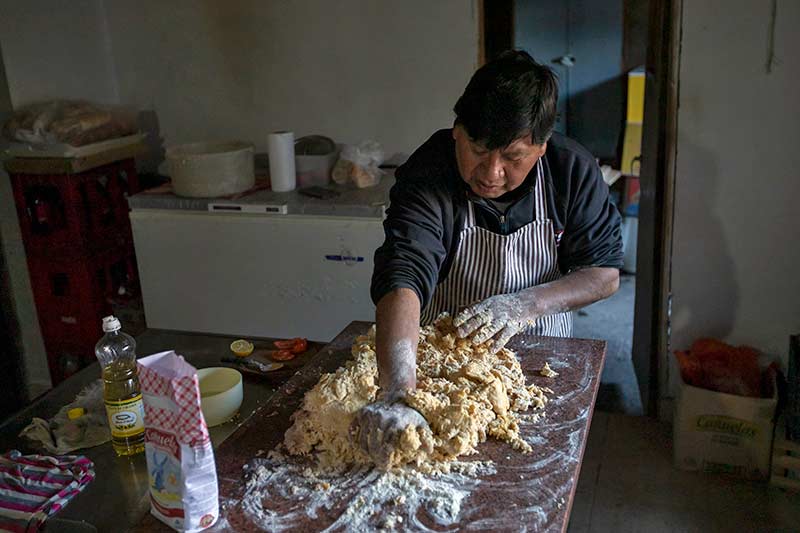
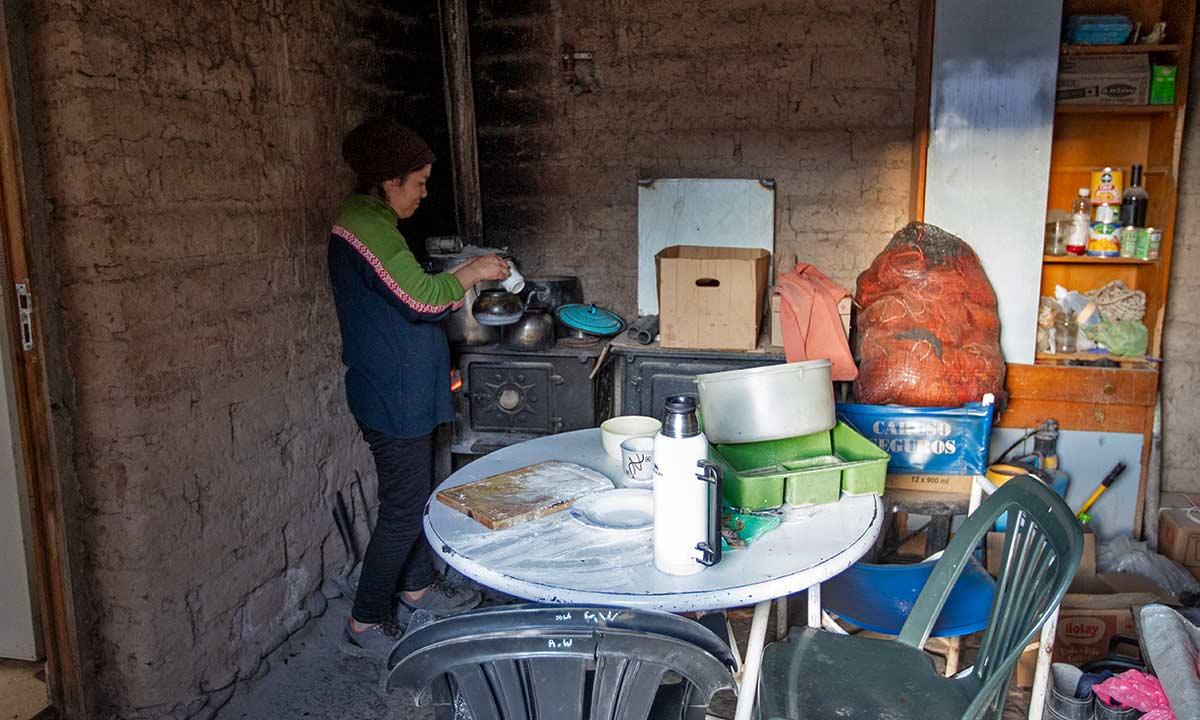
Esteban Vilca kneads dough for guests at his guesthouse, Rumi Wuasi, in Gobernador Solá. He’s not the only one who started a business around the Qhapaq Ñan. Paulino welcomes travelers walking the trail near his home in Capillas. Photo: Gianni Bulacio
What we value and what we protect remain open questions in Argentina. Yet there’s undeniable worth in the work of those who safeguard heritage in all its dimensions—the road, the people, the culture. Manolo Copa, representative of the Federal Table of Indigenous Peoples and member of the Tastil People’s Council, sees the Qhapaq Ñan as a “tool for progress,” the key to protecting their land and continuing to live in community.
“This is where we want to live,” he says, “and this is where we’ll keep on living.”
After all, Indigenous communities will keep living the Qhapaq Ñan—whether others value it or not. Paulino puts it best: “We are the road.”